


PROTEGO® has been developing and manufacturing Flame Arresters and Breather Valves for decades
PROTEGO® explosion protection devices have been installed in thousands of industrial facilities worldwide, helping protect tanks, pipelines, and process systems handling flammable gases.
When was the last time you checked the condition of your flame arresters, valves, and seals?
In process plants, terminals, and construction environments that handle flammable media, the distinction between safe, efficient operation and unacceptable risk frequently revolves around maintenance discipline. The PROTEGO® guide insights will demonstrate the importance of preventative and predictive maintenance in keeping systems reliable, protecting people and the environment, and avoiding costly downtime that may be caused by events beyond your control.
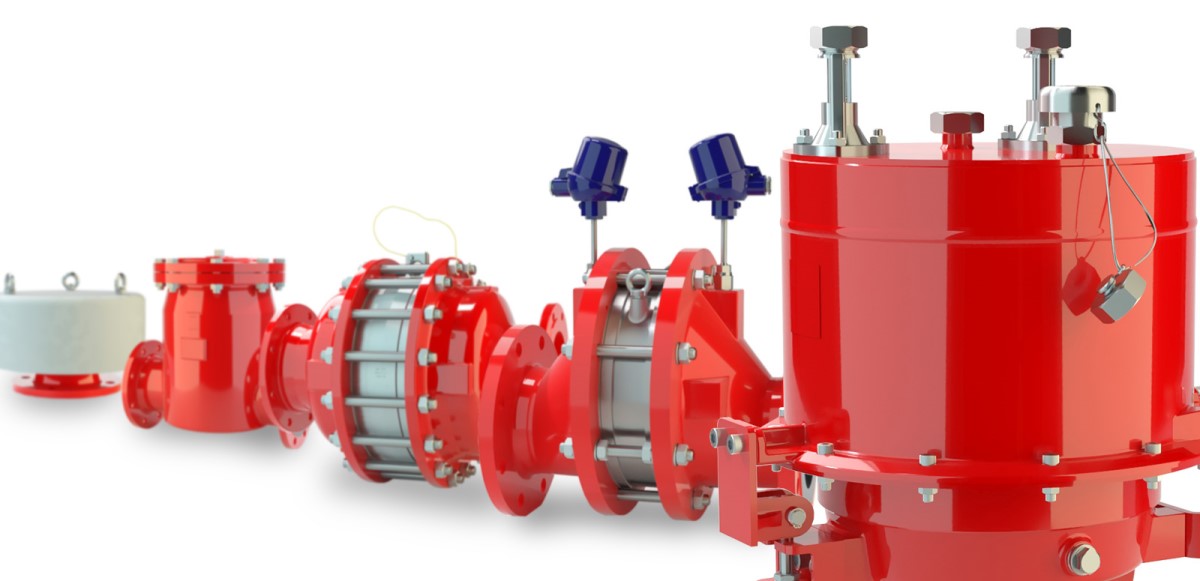
Why Do Maintained Flame Arresters Matter?
Flame Arresters are an essential line of defence against flame propagation. When flame arresters are maintained, the benefits are both immediate and cumulative: you maintain safety in volatile times, protect throughput, and reduce avoidable losses. Arrester maintenance should be treated as a performance and safety program rather than a troubleshooting task after something goes wrong. Keeping flame arresters maintained provides clear, measurable benefits:
- It ensures the safety of your system.
- Maintains optimal flow efficiency by avoiding increased pressure drop.
- It prevents the risk of explosions by finding and quickly replacing FLAMEFILTER® elements that are blocked, broken, or rusted.
- Helps ensure that processes run smoothly.
- Reduces the overall cost of ownership.
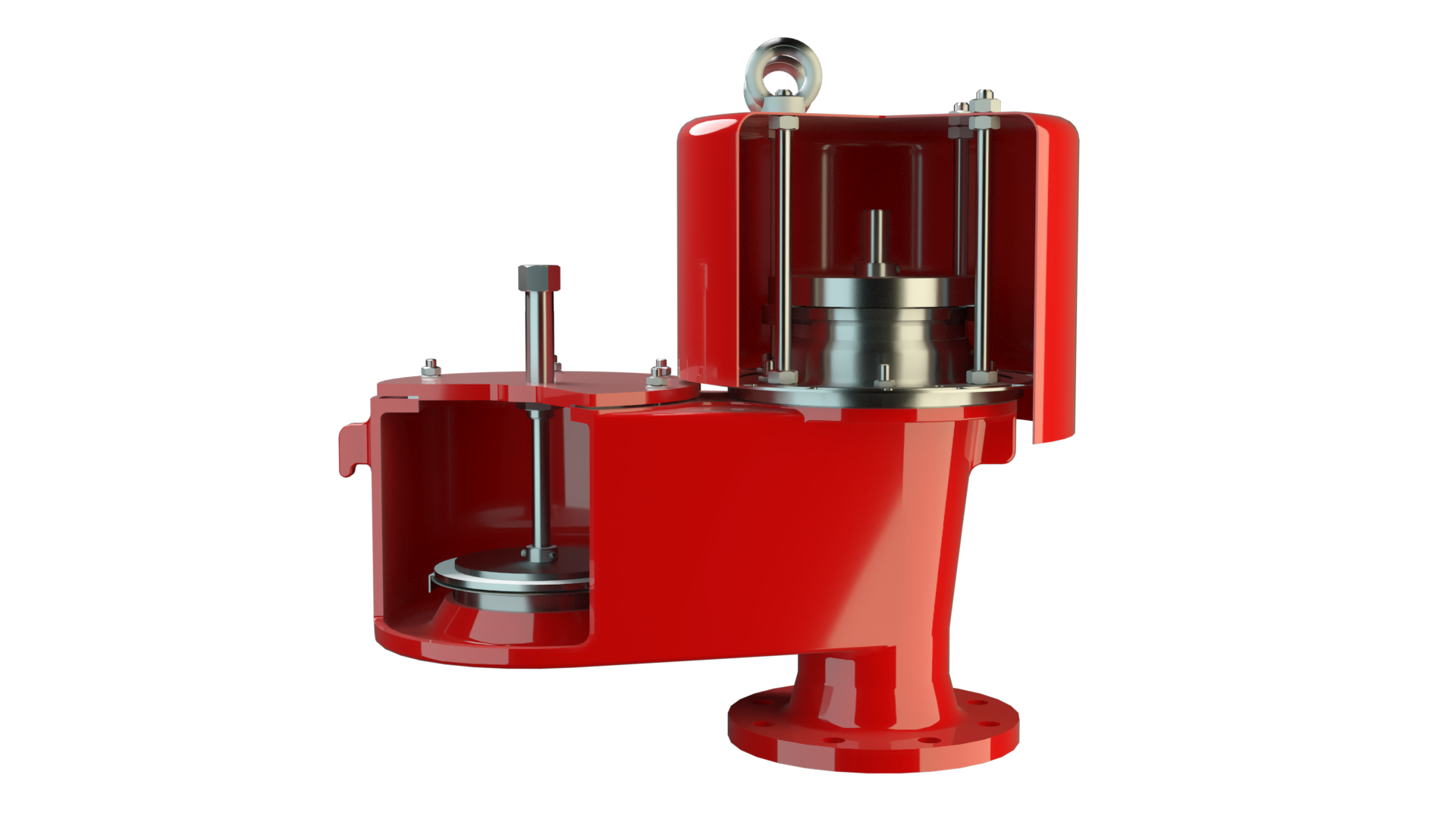
Valves and seals: Minor Components and Major Consequences
PROTEGO® identifies three common maintenance realities that, if not addressed, can quietly erode safety margins and efficiency:
- Valve Spindles: Corrosion can impair proper valve function. Regular maintenance ensures that the valve continues to function properly, efficiently, and safely.
- Valve Sealing Surfaces: Leakage from damaged, worn-out, or corroded valve sealing surfaces results in product losses and higher emissions.
- Seals and membranes: When exposed to aggressive media, they must be checked for integrity to ensure ongoing protection.
On-site, establish a routine that checks spindle condition, confirms sealing integrity, and documents any degradation before it becomes a reliability or environmental issue.
Preventative and Predictive Maintenance: The Best Safety Protection
PROTEGO® views maintenance as preventative and predictive: don’t wait for performance to deteriorate or corrosion to progress. Instead, schedule inspections and checks to detect potential problems early on and keep performance within the optimal range. This approach maximises operational uptime while also ensuring safety.
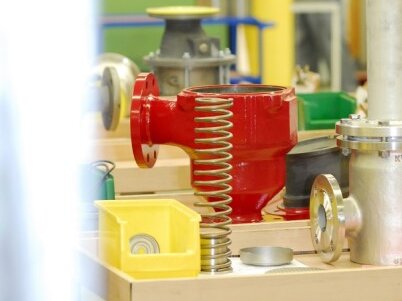
Only Original Spare Parts for Type-Tested Systems
When it comes to replacing components or seals in type-tested systems, PROTEGO® recommends only using original spare parts. That is how you keep your safety device’ performance envelopes and certification bases intact, as well as the “as tested” integrity of flame arresters and valves.
Annual Inspections Are The Minimum Safety Standard
Corrosion and environmental exposure persist in between turnarounds. Safety devices should be regularly inspected for corrosion and/or environmental impact, with an annual inspection being the most specific recommendation made by PROTEGO®. Incorporate this into your maintenance plan as a baseline, then increase frequency where media, duty cycles, or conditions are particularly aggressive.
Avoiding Downtime: Maintenance as Production Insurance
Unplanned shutdowns are both expensive and dangerous. PROTEGO® understands the importance of proactive maintenance: it helps to prevent plant shutdowns, loss of production, and, in the worst-case scenario, accidents. If you work in a high-hazard or high-throughput environment, treating arrester and valve health as a production KPI makes sense.
Where To Get Expert Help
If you don’t have the in-house resources to disassemble, clean, inspect, and reassemble arresters with original parts, use the PROTEGO® maintenance service and PROTEGO® Authorized Repair Centers (PARCs). Our global network and processes are tailored specifically to these safety-critical devices.
In conclusion, investing in preventative and predictive maintenance for your PROTEGO® safety devices is a wise decision. It reduces the risk of unplanned outages, increases efficiency, and reduces the total cost of ownership, all while safeguarding the environment and people. These are necessary operating procedures for safety, productivity and efficiency.
What about your safety devices?
Contact our specialists for your individual requirements.