PROTEGO®
Pressure and Vacuum Relief Valves with Flame Arrester
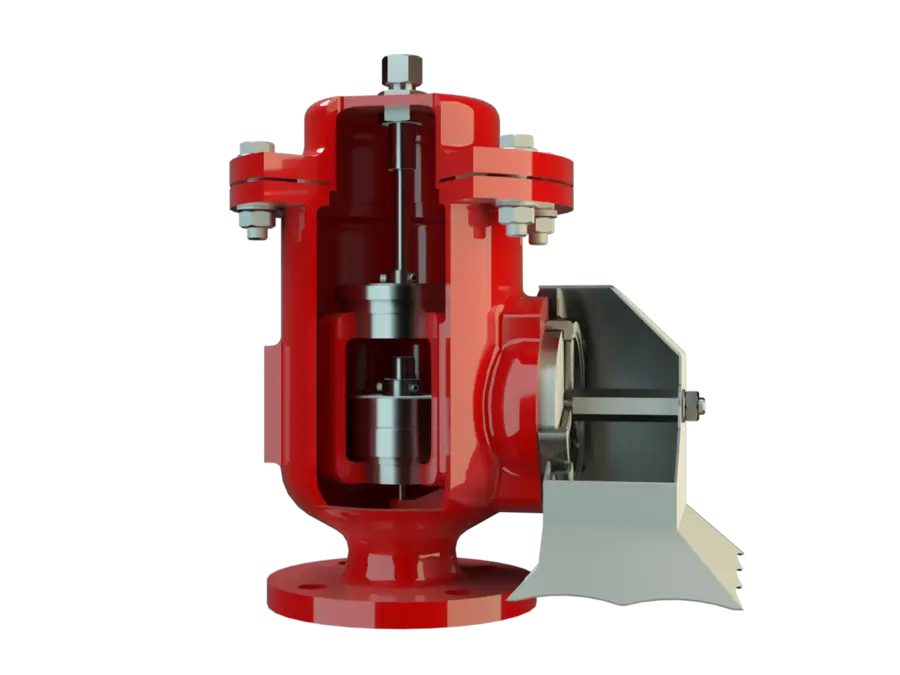
Breather Valves with Integrated Flame Arrester - Emission and Explosion Protection
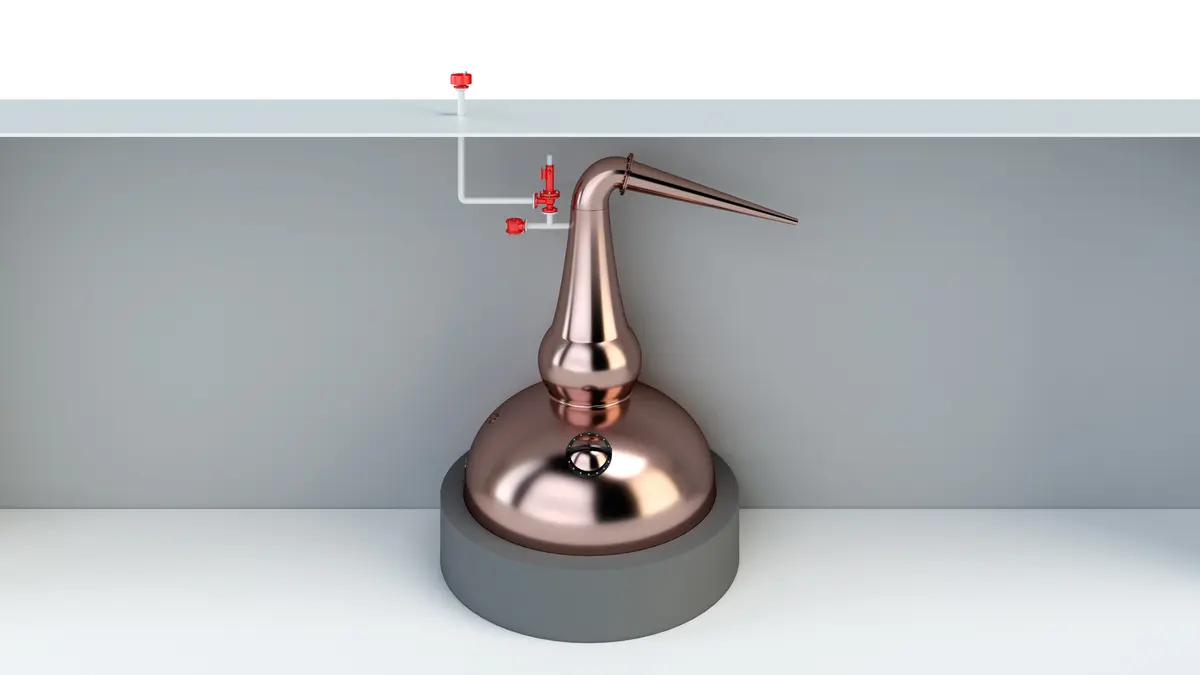
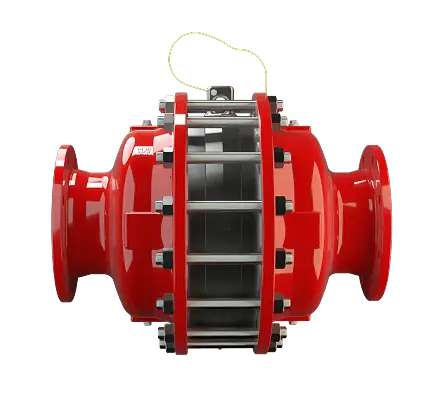
Pressure and Vacuum Relief Valves Pressure and vacuum relief valve A pressure and vacuum relief valve is a pressure equalization valve for impermissible pressure and vacuum in a closed system. with integrated Flame Arrester Unit PROTEGO® flame arrester unit The PROTEGO® flame arrester unit is the main component of a flame arrester. It prevents flame propagation. combine two critical safety functions into a single unit: controlled tank breathing and protection against flame transmission.
These valves combine pressure Pressure (gauge pressure) Pressure for which the value is equal to the algebraic difference between the absolute pressure and the atmospheric pressure. control and explosion protection Explosion protection An explosion protection is a flame arrester that prevents flame propagation into plant sections to be protected during explosions. in a single, type approved device Device A device is a pipe component that influences the media flow by opening, closing, or partially shutting off the flow channel or by dividing or mixing the media flow. . They prevent atmospheric deflagration Deflagration Explosion propagating at subsonic velocity. and, depending on the design, also protect against endurance burning Endurance burning Stabilized burning for an unlimited time. . This ensures that both operational integrity and safety risks are addressed by one device which provides a durable and easy to maintain solution. In addition these valves reduce emissions and prevent unnecessary air intake. This supports product Product Includes equipment, protective systems, devices, components and combinations of these. conservation and stable operating conditions.
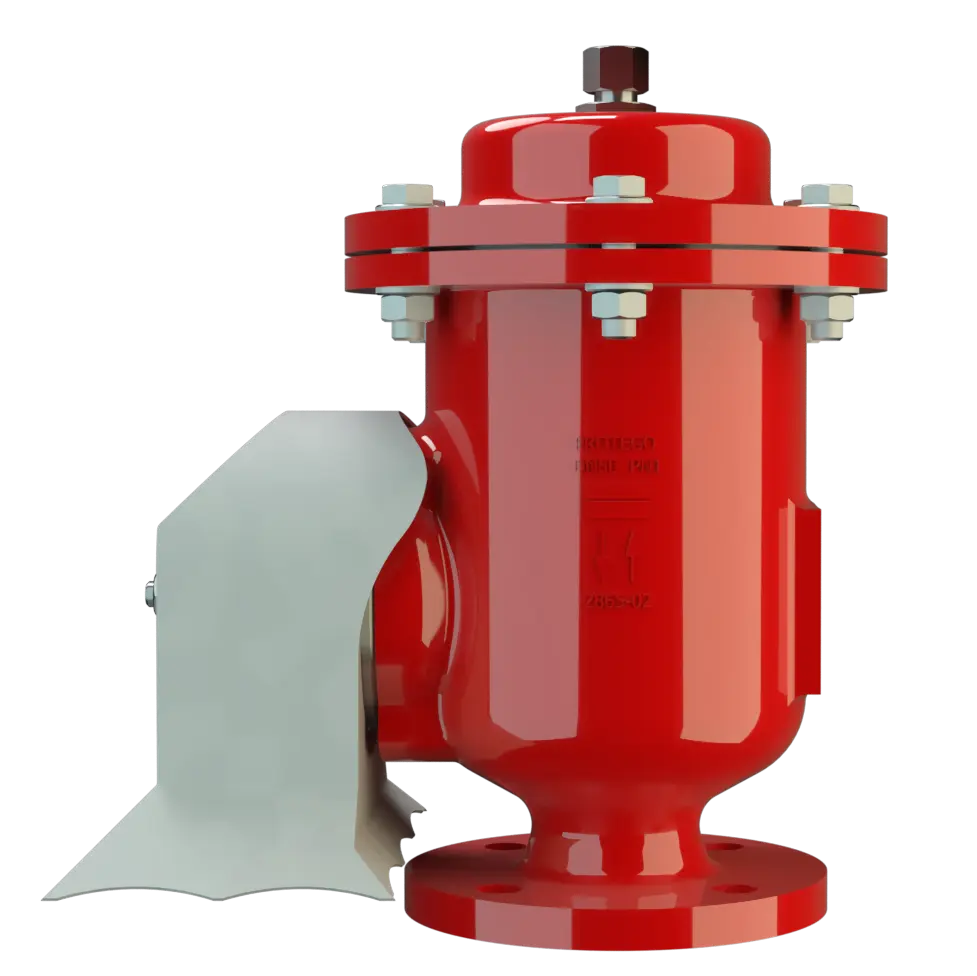
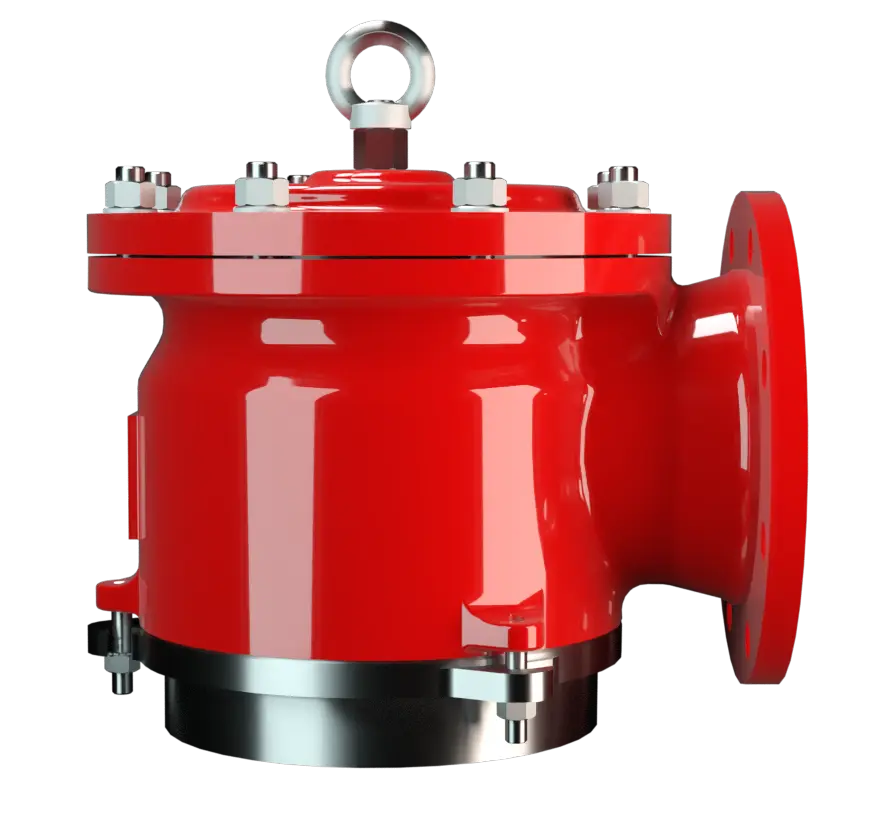
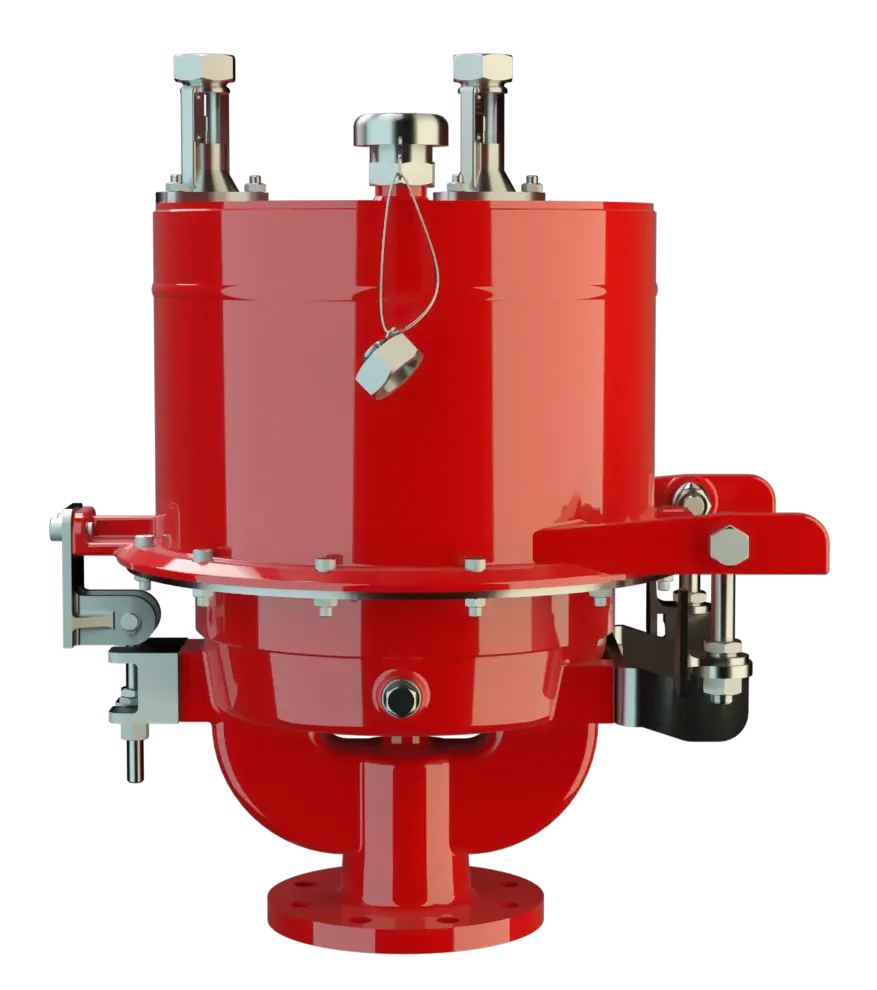
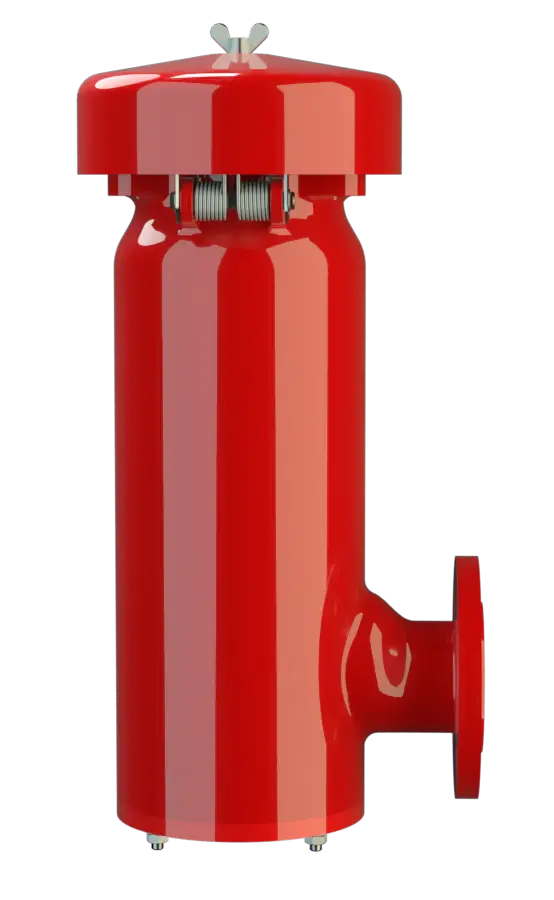
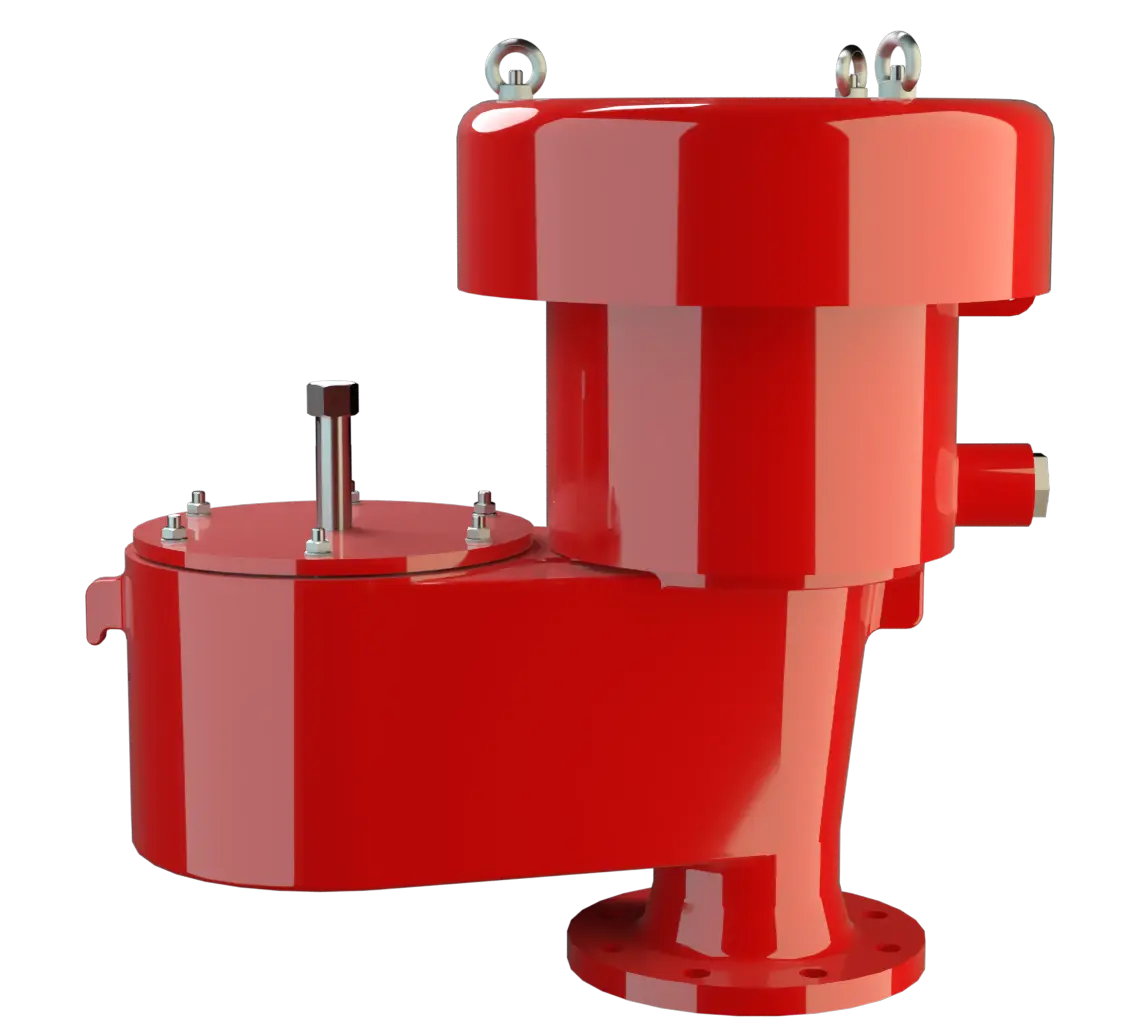

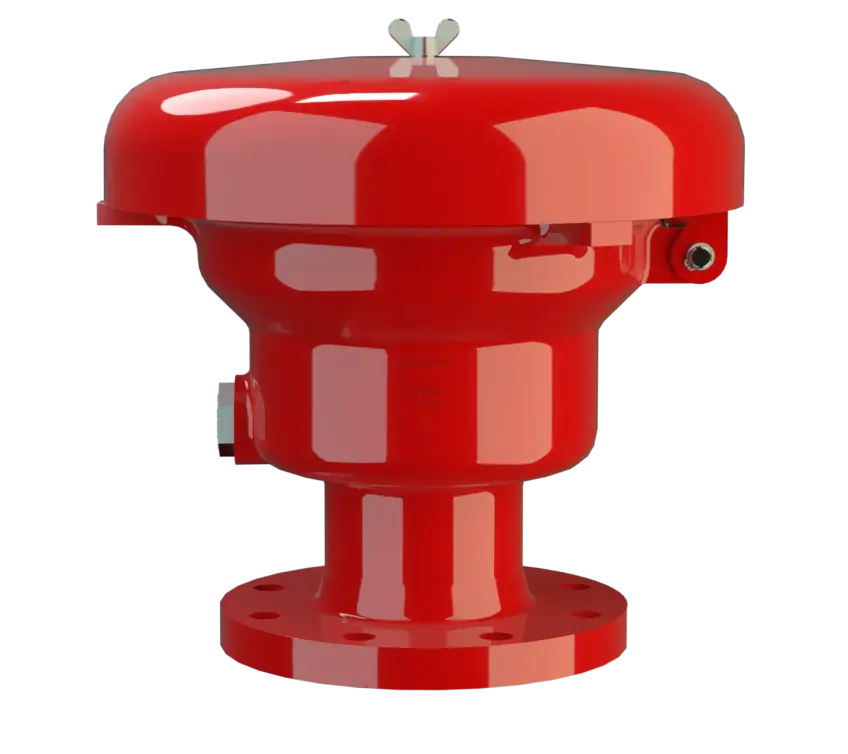
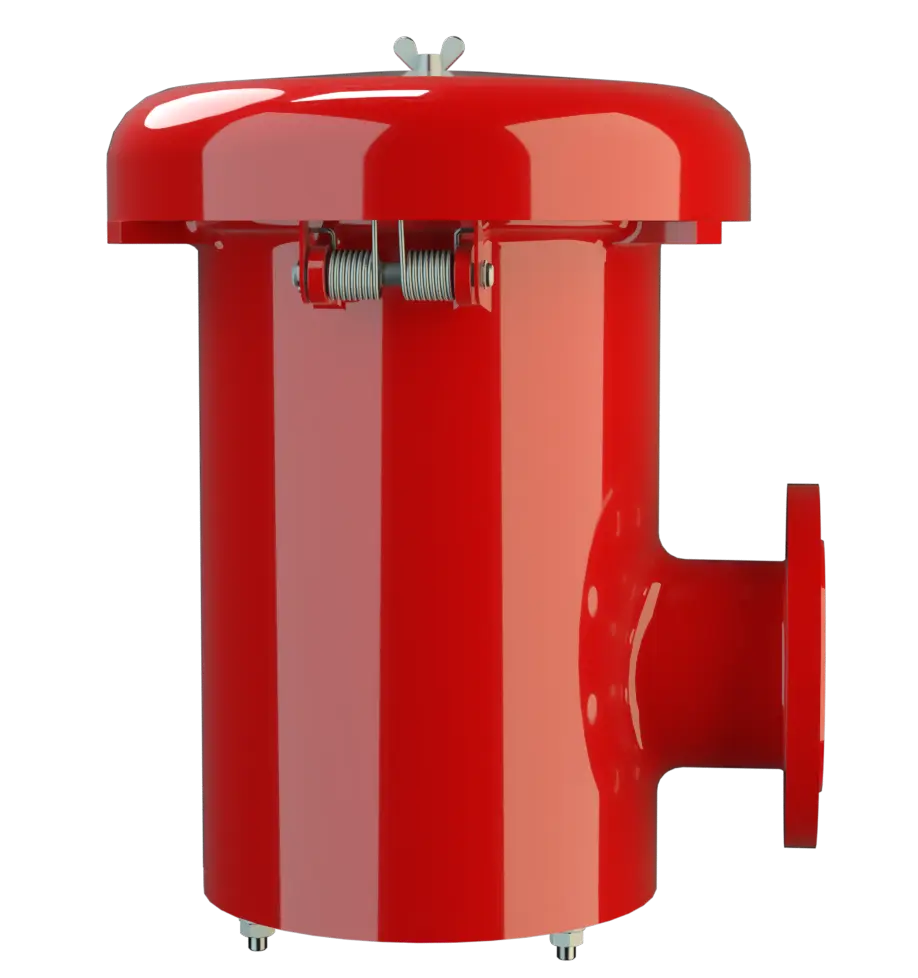

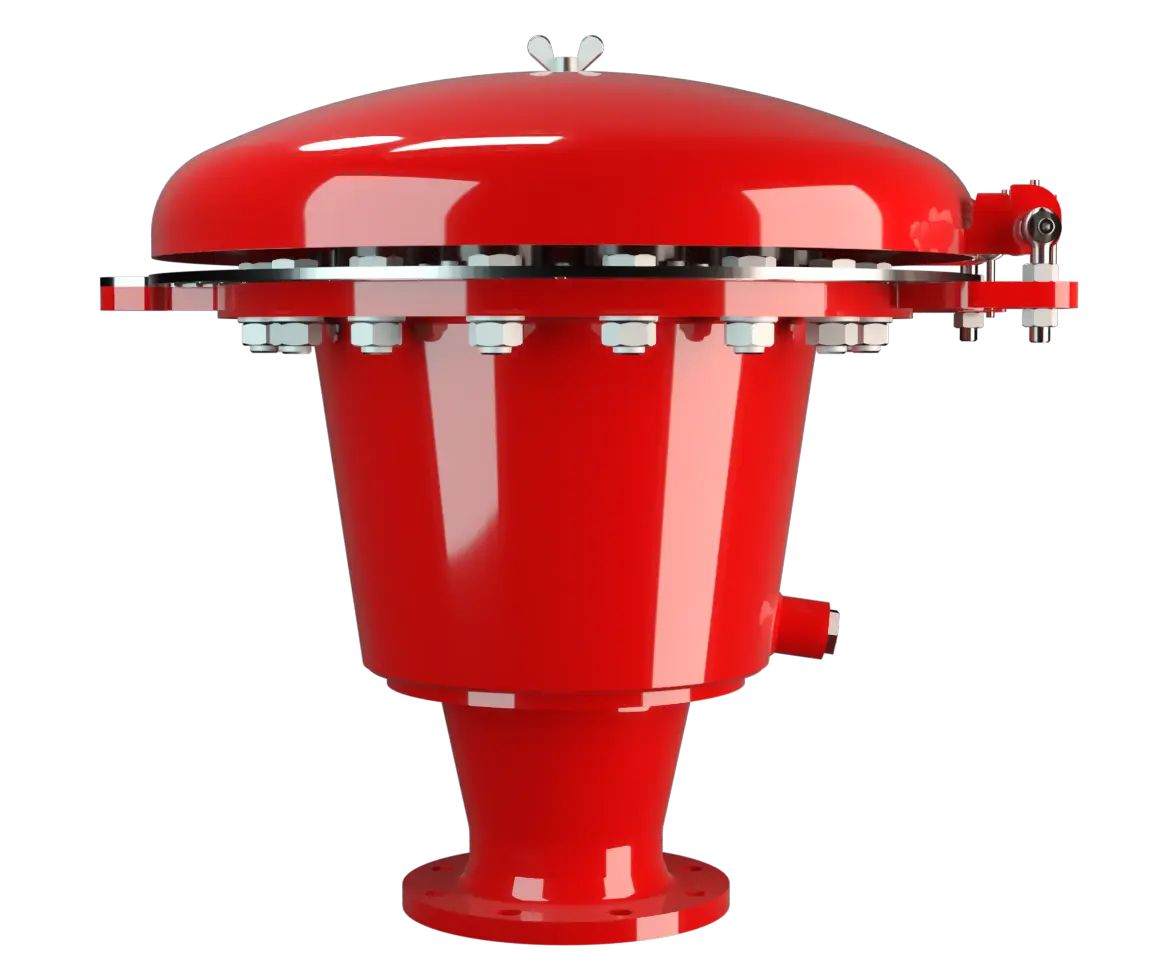

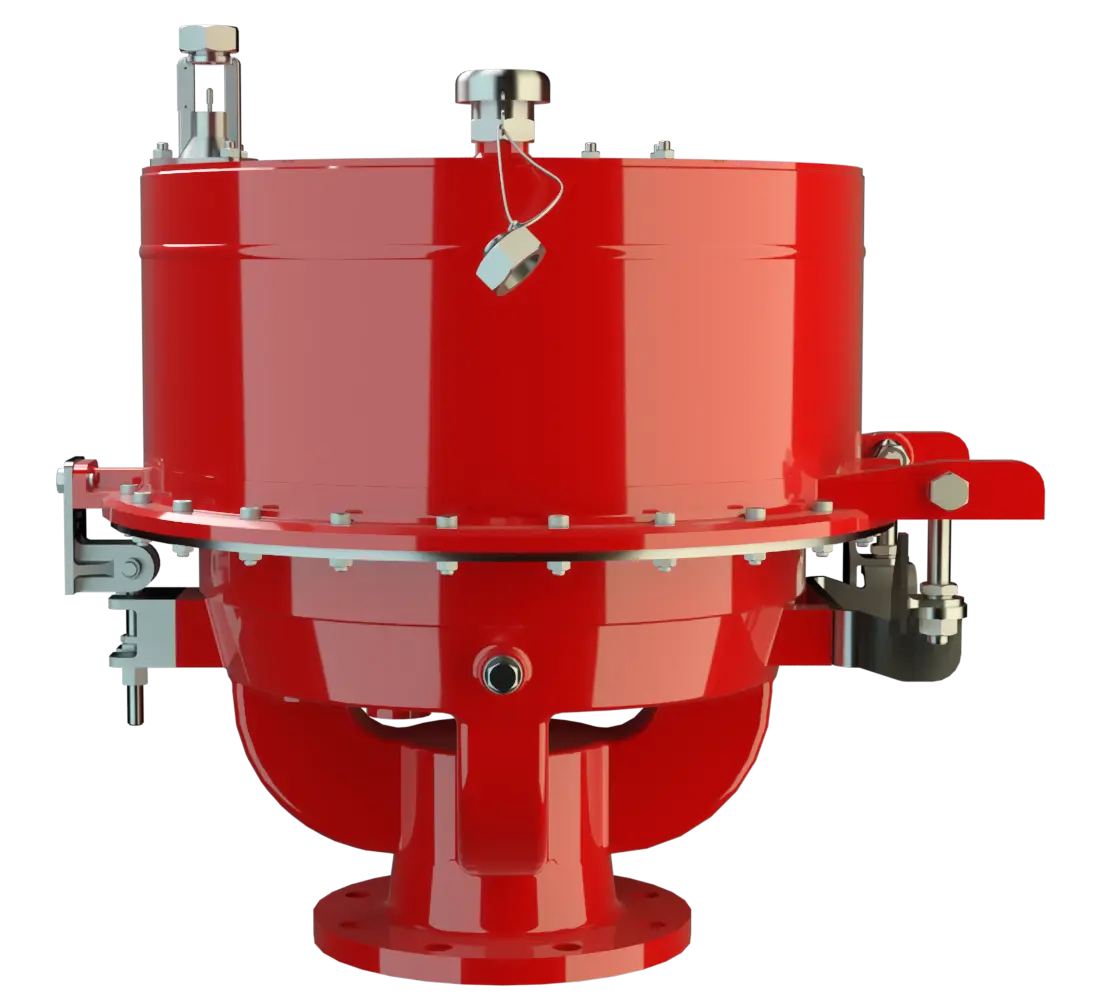
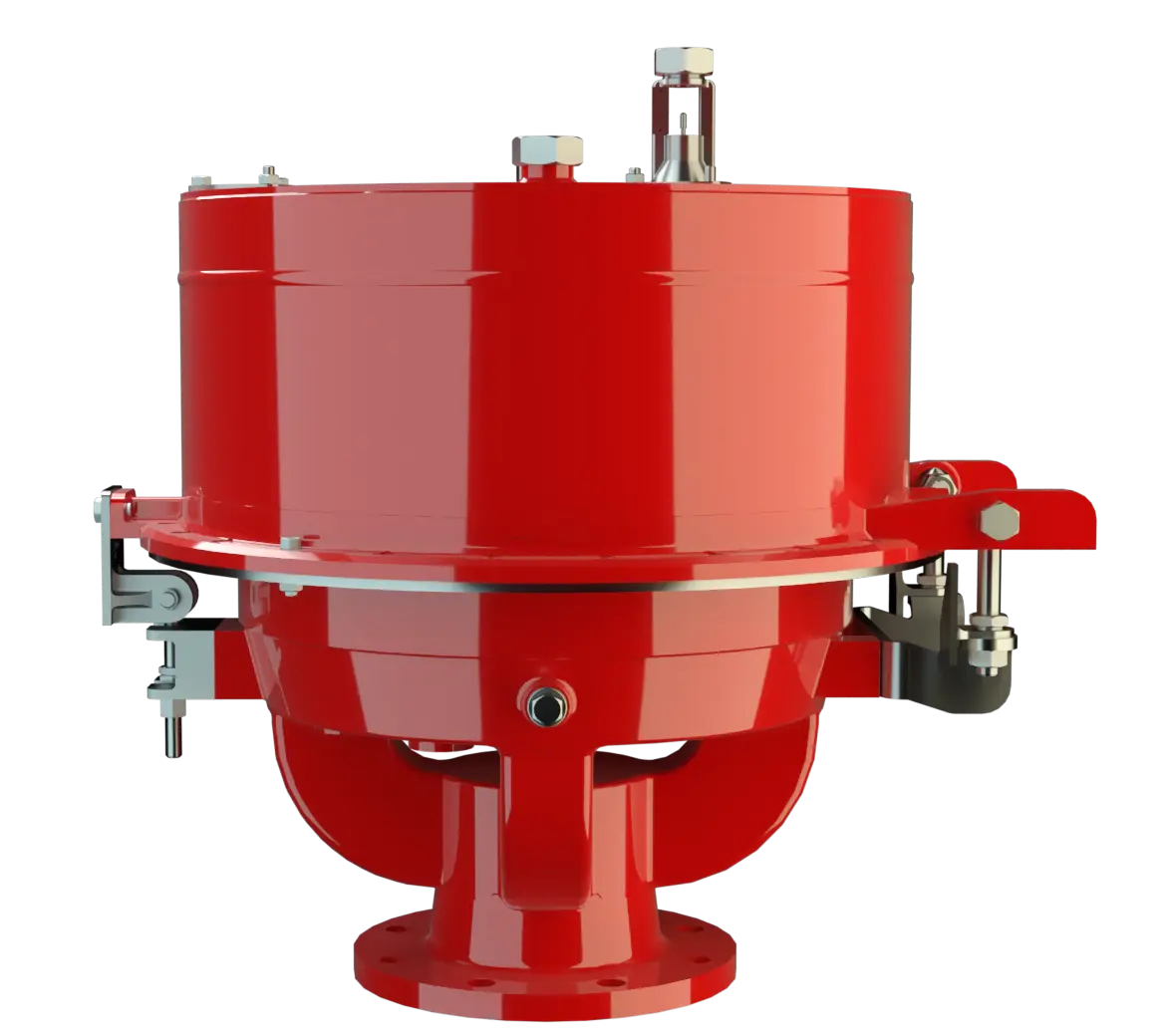
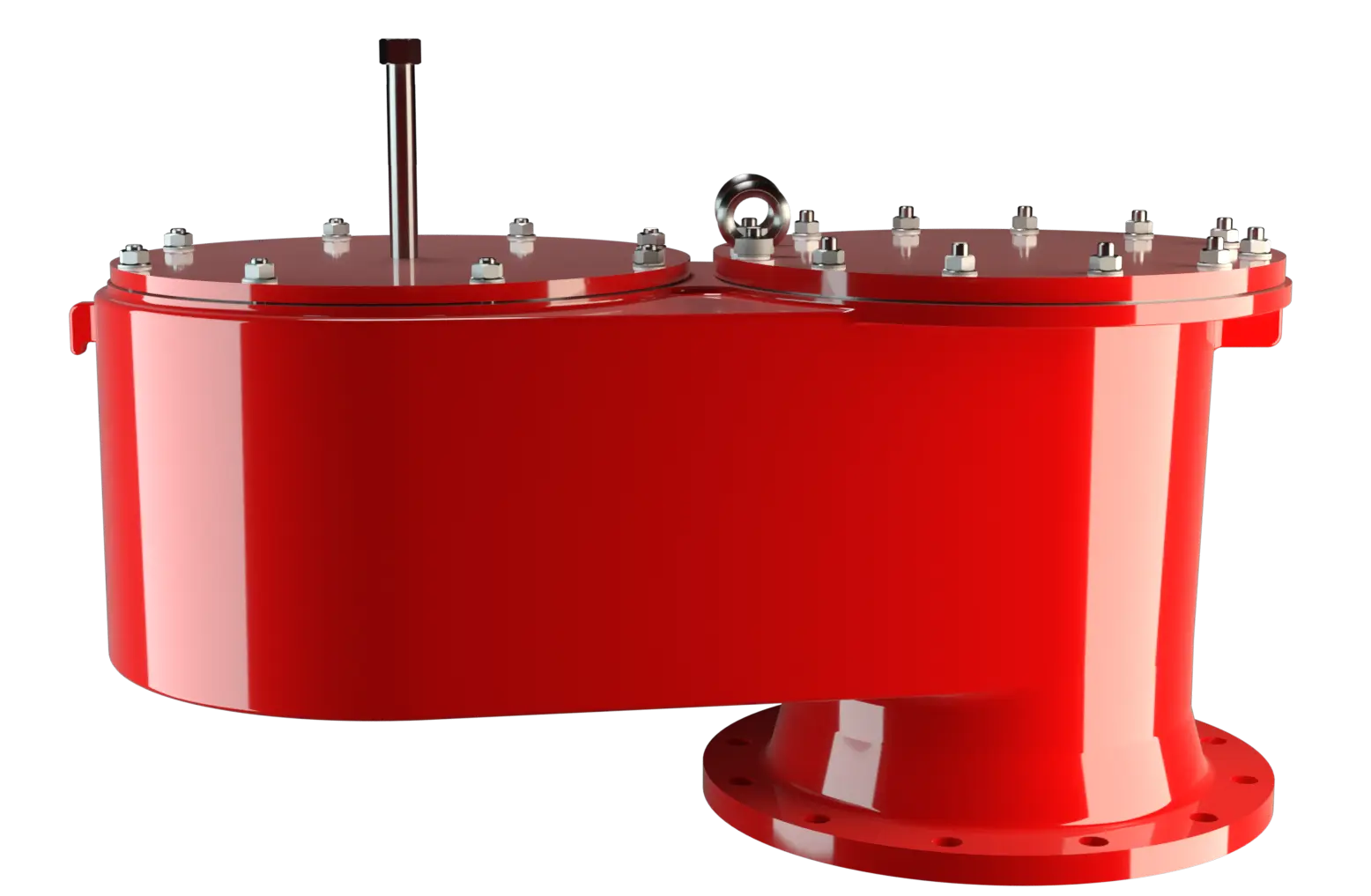
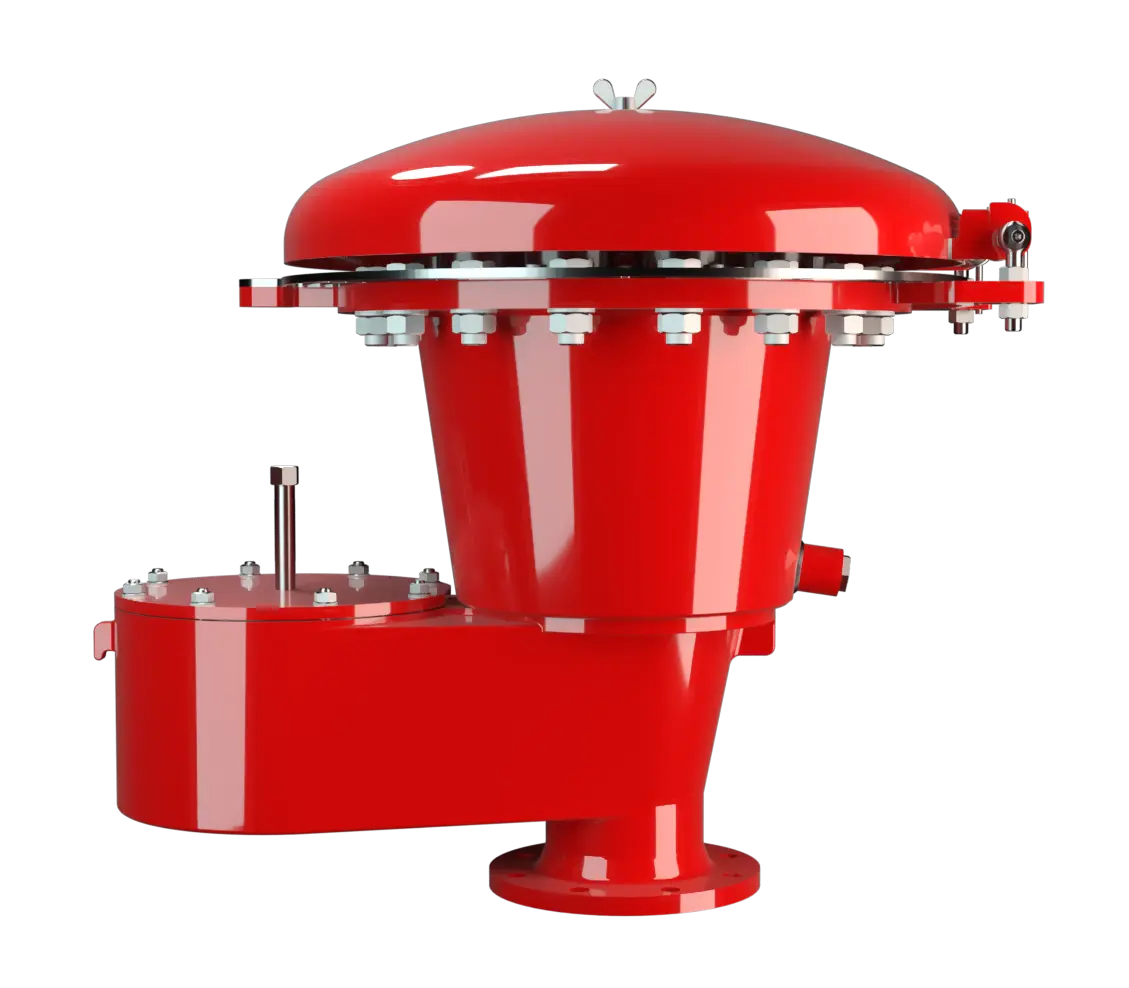
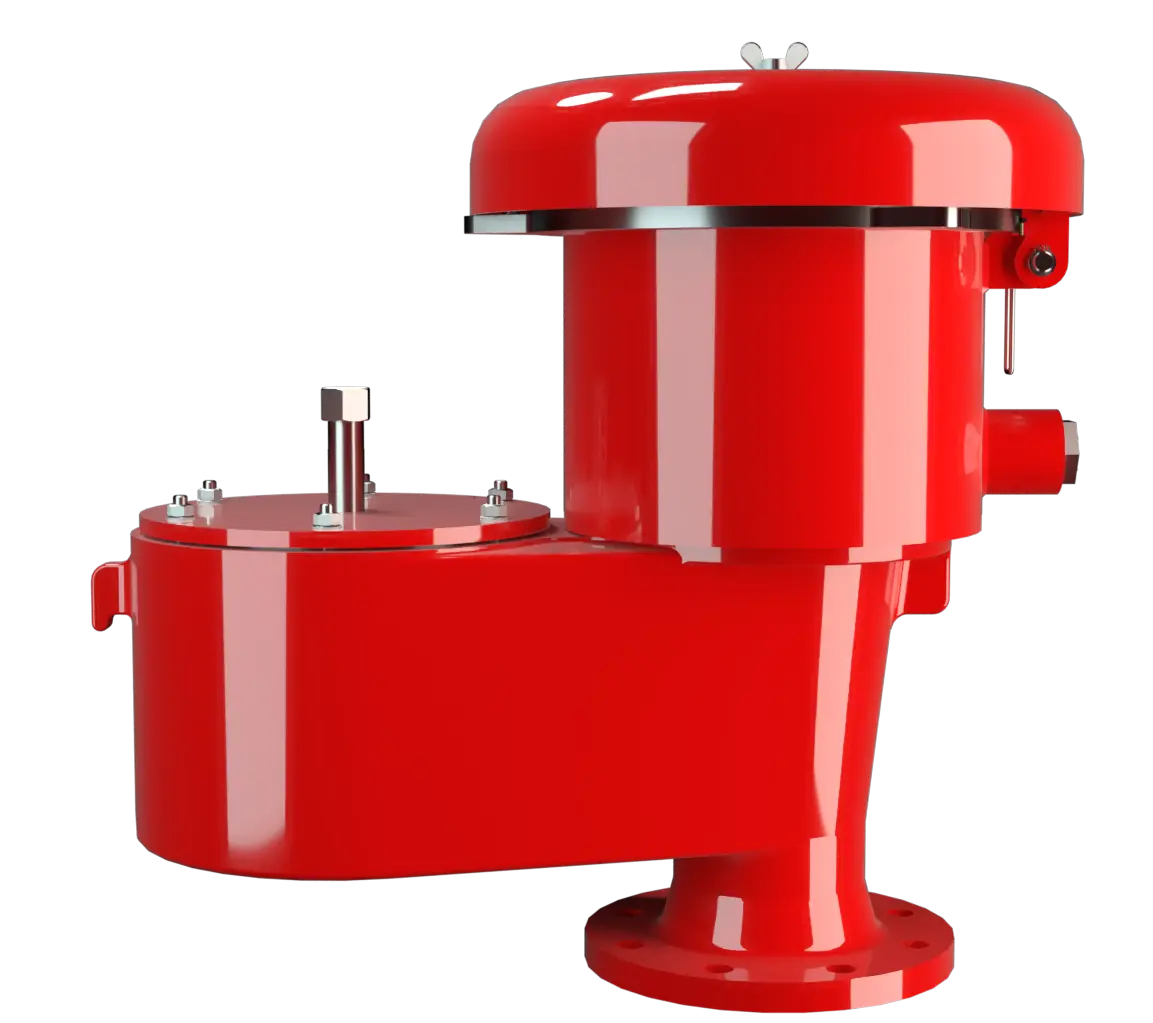
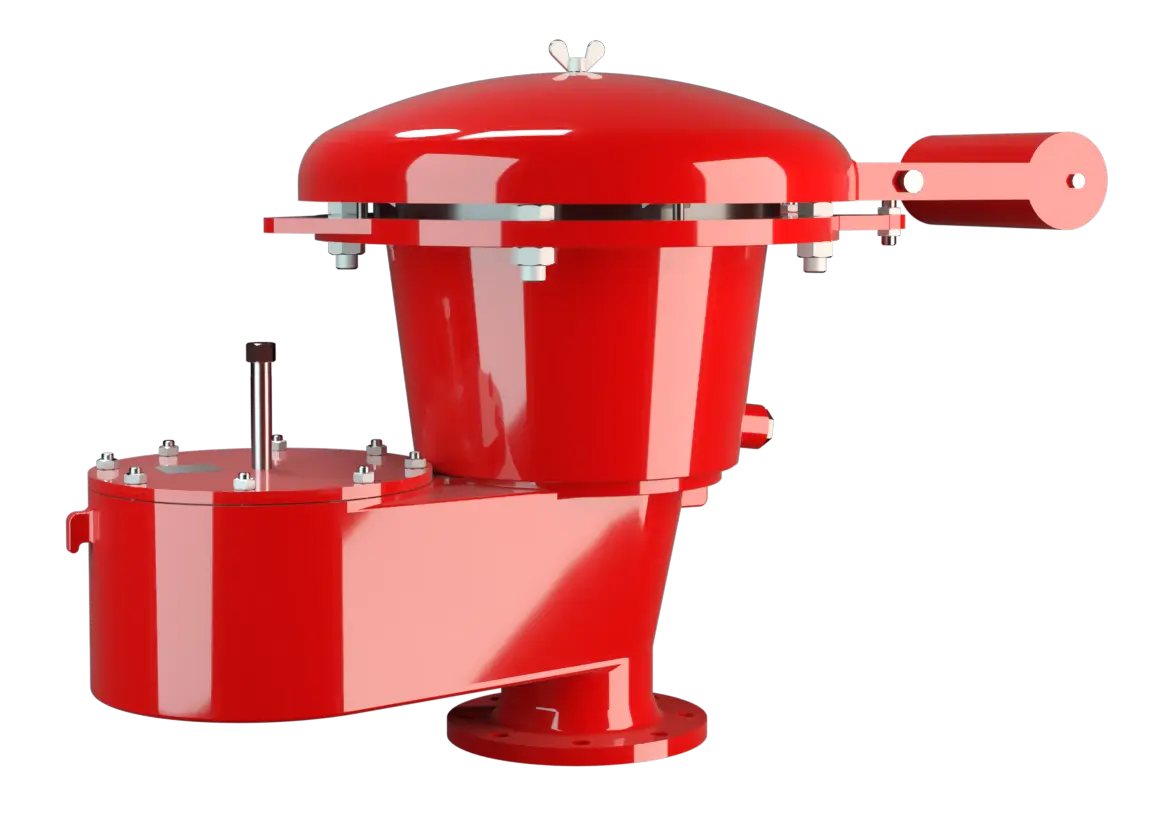
Highlights of PROTEGO® Breather Valves
Zero flashback incidents
How It Works
PROTEGO® Valves use a full- lift Lift Lift is the actual travel of the valve pallet from the main valve out of the closed position. -type technology. The valve reaches full lift at 10% accumulation Accumulation Pressure increase over the MAWP of the vessel allowed during discharge through the pressure-relief device. above the set pressure Set pressure Set pressure is the gauge pressure at the device inlet at which the relief device is set to start opening under service conditions. . This allows the valve to deliver full relieving capacity quickly, ensuring that required mass flow is safely discharged before pressure limits are exceeded.
Conventional low-pressure valves require 80% to 100% overpressure Overpressure Overpressure refers to an increase in pressure in a system or vessel above the normal operating pressure. to reach full lift. These open earlier and close later, which increases product losses. In contrast, PROTEGO® Valves open later and re-seat earlier. This improves pressure control and reduces unnecessary vapor release.
PROTEGO® Valve and Flame Arrester Flame arrester Device fitted to the opening of an enclosure, or to the connecting pipe work of a system of enclosures, and whose intended function is to allow flow but prevent the transmission of a flame. performance is assured for all relief and explosion Explosion Abrupt oxidation or decomposition reaction producing an increase in temperature, pressure, or in both simultaneously. scenarios defined in the design case. The pressure drop of the combined device (Flame Arrester and Pressure/ Vacuum Vacuum Vacuum is the pressure in an enclosed space that is lower than the ambient pressure. Valve) is determined on a TÜV-certified flow test rig according to API 2000. The entire device is type approved to ATEX or other relevant international standards for the determined explosion Explosion Abrupt oxidation or decomposition reaction producing an increase in temperature, pressure, or in both simultaneously. scenarios.
The units are extremely maintenance Maintenance Combination of all technical and administrative actions, including supervision actions, intended to maintain or restore a unit in working order. -friendly and have very low leak rates to reduce explosion Explosion Abrupt oxidation or decomposition reaction producing an increase in temperature, pressure, or in both simultaneously. risk and ensure compliance with environmental requirements.
The devices have performed as promised with low leak rates and minimal maintenance effort. We highly recommend them.
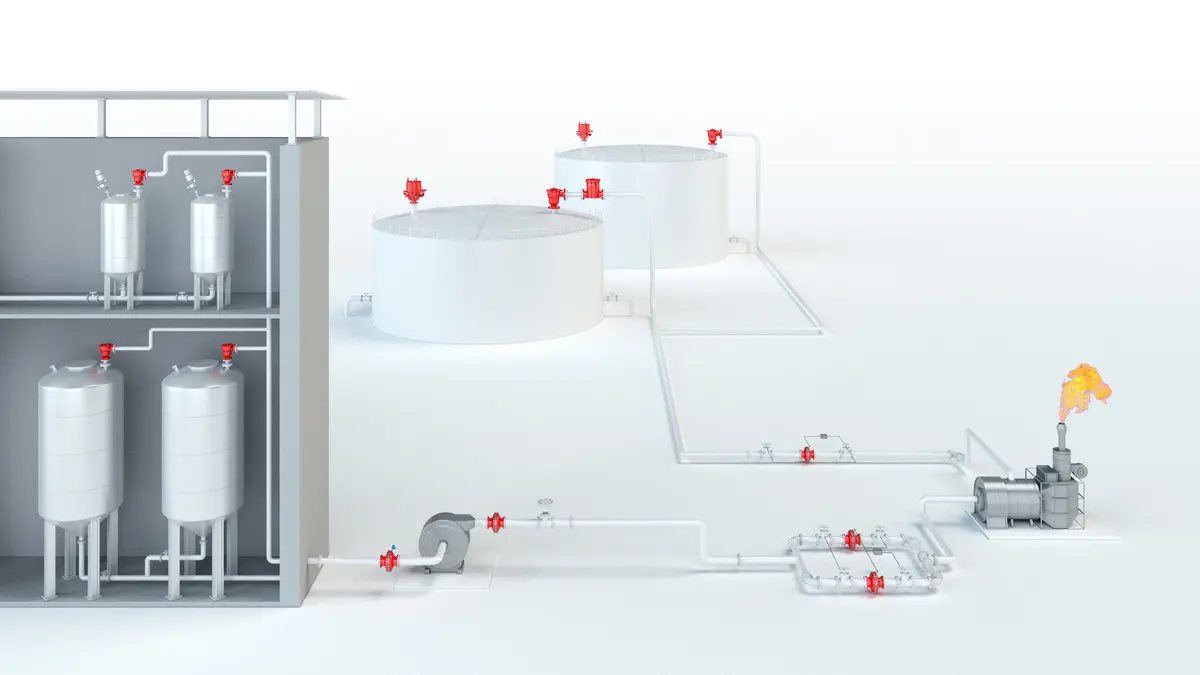
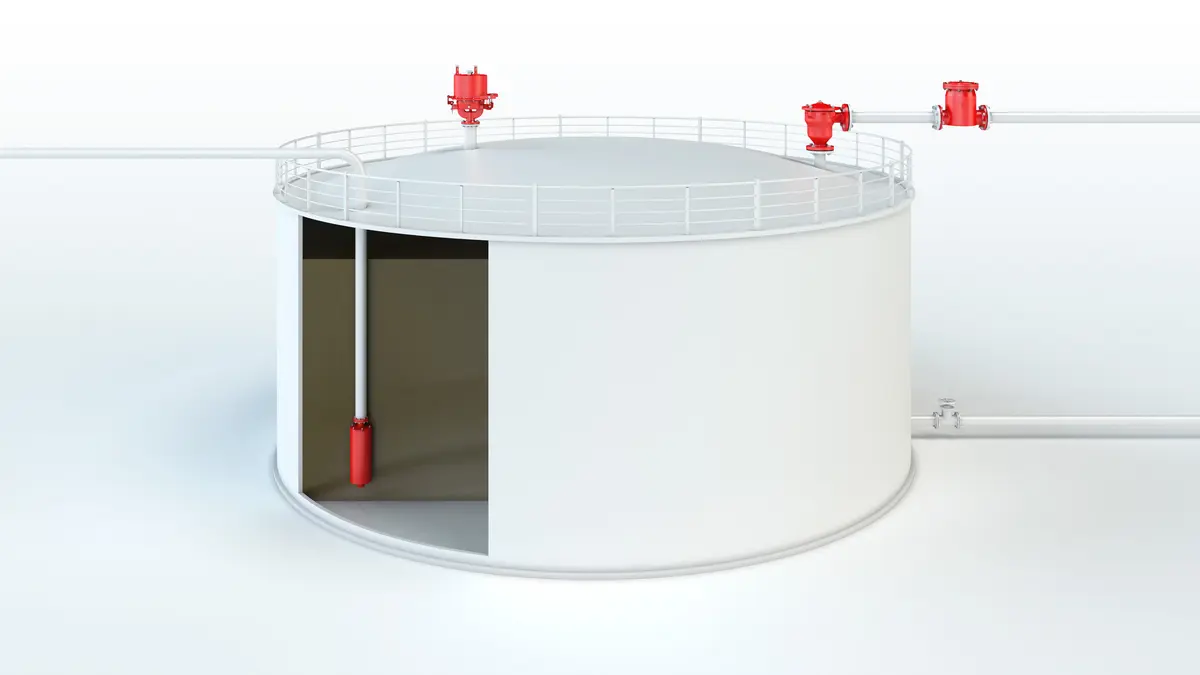
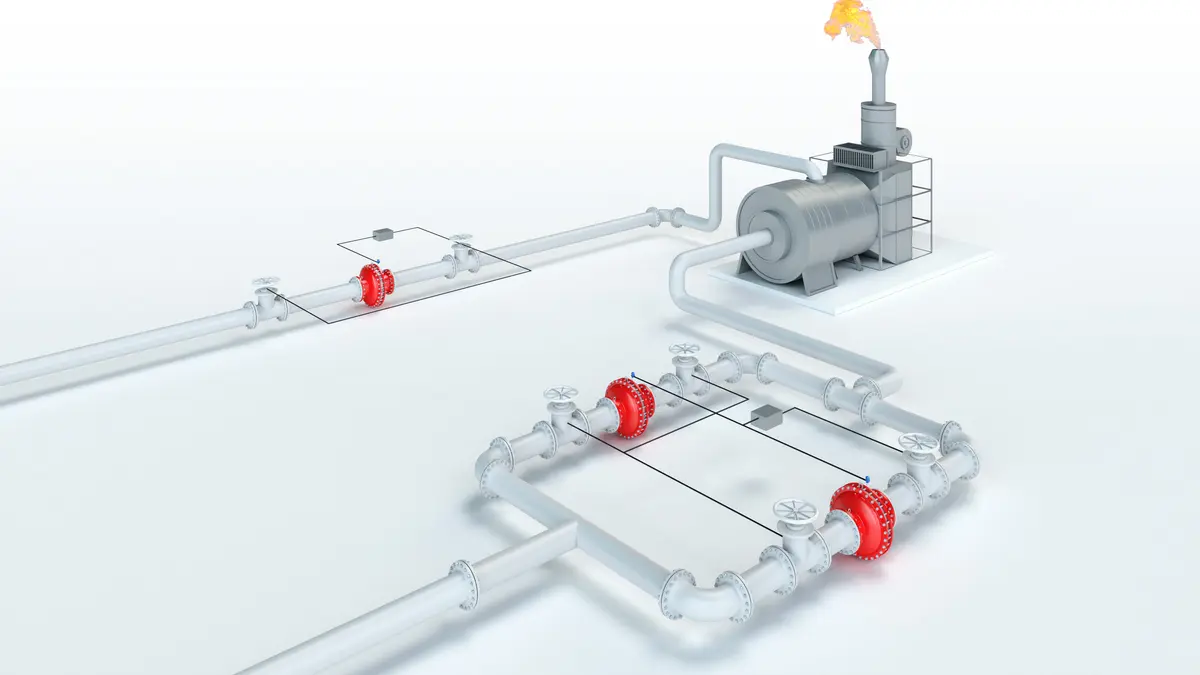
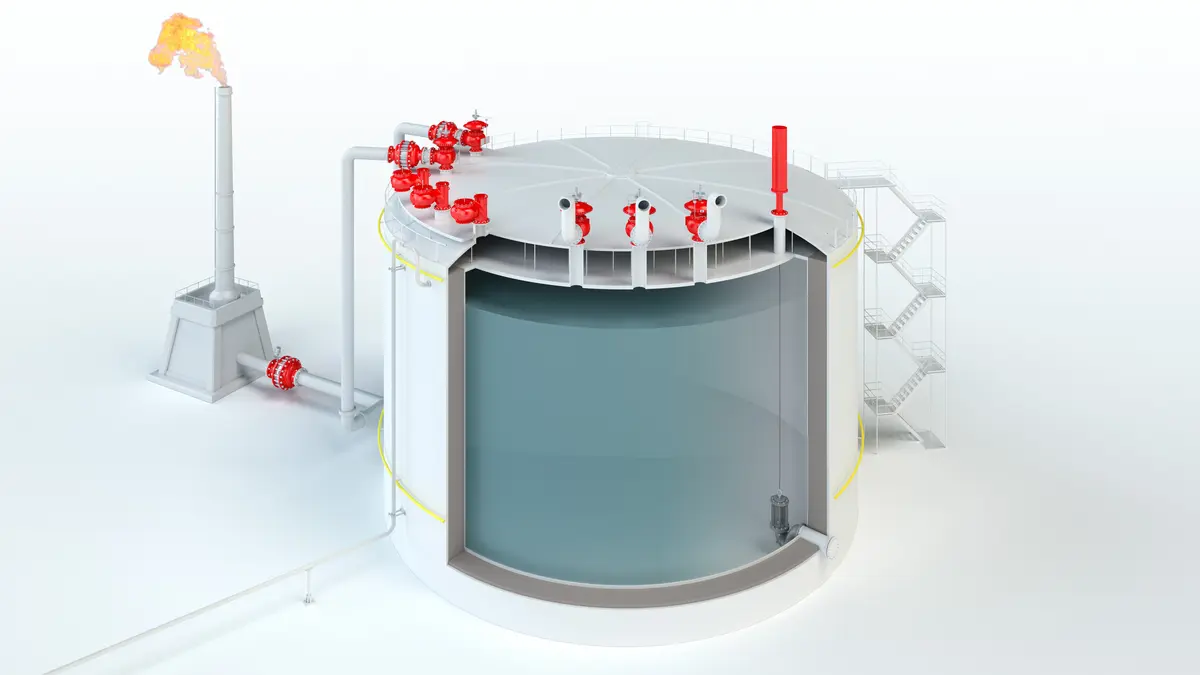
We provide engineered safety solutions.
Since 1954, PROTEGO® has built and provided Flame Arresters, Pressure and Vacuum Relief Valves and Tank Equipment Equipment Machines, appliances, fixed or mobile devices, control parts and accessories, and warning and prevention systems, whether separate or combined, intended for the generation, transfer, storage, measurement, control, and conversion of energy, and for the processing of materials, which have their own potential source of ignition and may cause an explosion. , now with the help of more than 750 employees worldwide.

Engineering and Compliance
Correct valve selection is critical for safe and effective operation. Key selection criteria include:
Valve sizing is based on required volume flow and maximum allowable pressure. Certified volume flow diagrams are available to support design.
Material selection must follow plant and engineering specifications. Options such as metallic or soft sealing are selected based on operating conditions.
Key Features and Design Characteristics
Pressure drop is determined on TUV certified flow test rig according to API 2000 requirements for the combined device (Flame Arrester and Pressure Vacuum Valve).
The valve reaches full lift at 10% overpressure above the set pressure. This allows set pressures to be defined at 10% below the maximum allowable working pressure of the tank. This improves utilization of allowable pressure limits and reduces product losses.
The built-in flame arrester protects against atmospheric deflagration and, in some designs, endurance burning. This ensures that ignition from external sources does not propagate into the system. For in-line valves connected to a vent header Vent header Piping system that collects and delivers the relief gases to the vent stack. combination valve - detonation arresters Detonation flame arrester Flame arrester designed to prevent the transmission of a detonation. are type approved to ATEX or other international standards.
The valve reduces emissions almost up to the set pressure. This limits vapor losses during normal operation and supports conservation of stored products.
High flow capacity allows required volume flow to be handled with smaller valve sizes. This reduces equipment size and associated costs.
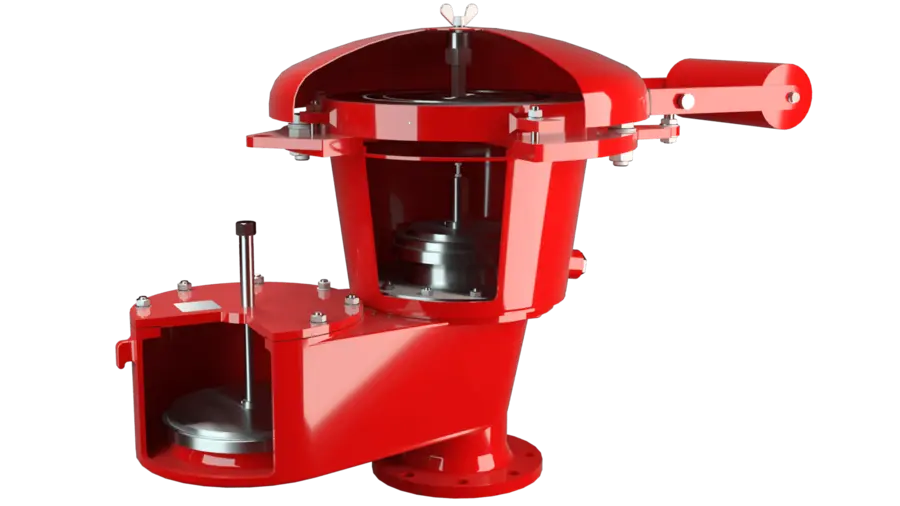
The valve pallet Valve pallet Valve pallet is the generic term for the assembly that rests on the valve seat. is guided inside the housing Housing A housing is a solid shell, which surrounds a content, either protecting the content from external influences, or protecting the environment from the content. . This protects the moving components from harsh weather conditions and supports reliable operation.
The flame arrester is isolated from the product when the valve is closed. This reduces contamination and extends maintenance intervals.