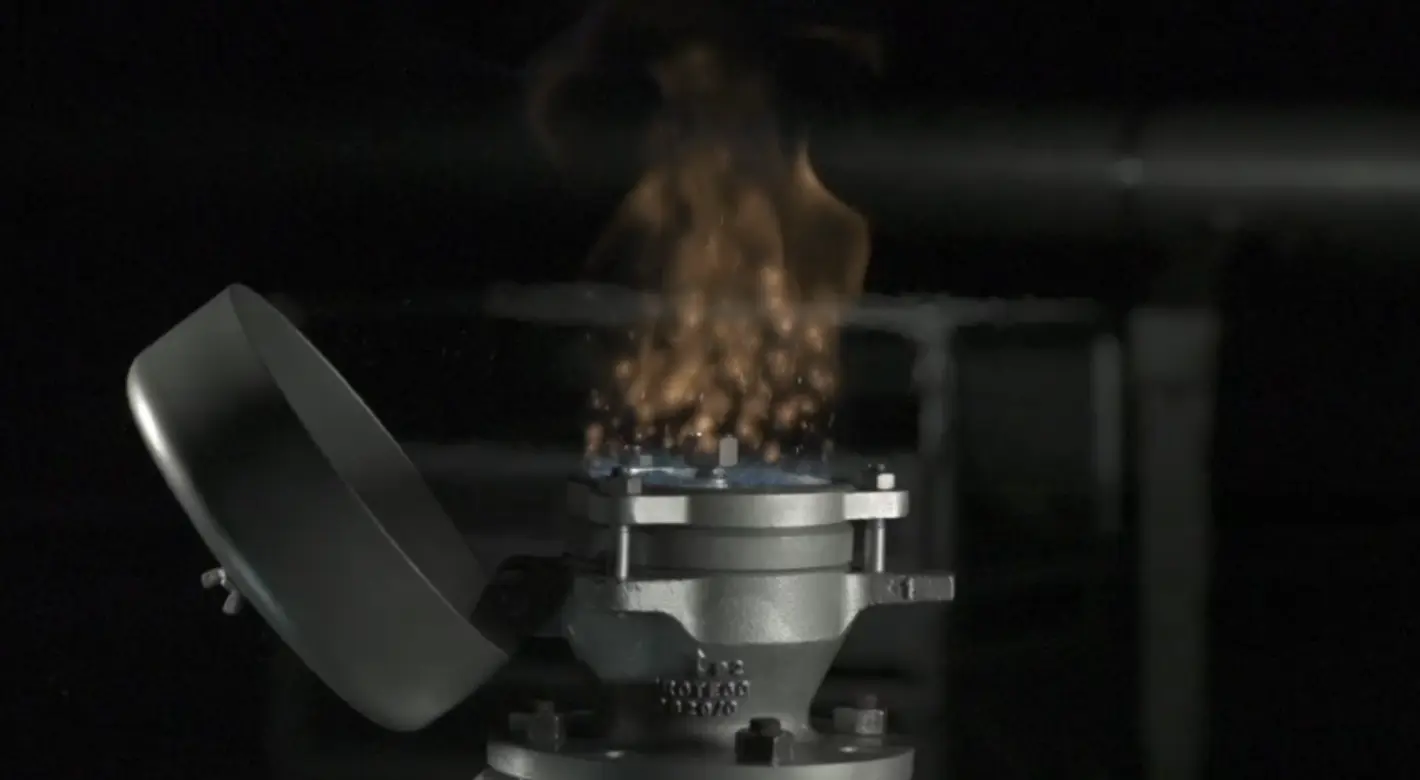
Pressure Vacuum Relief Valves (PVRVs): How They Work and Why They Matter
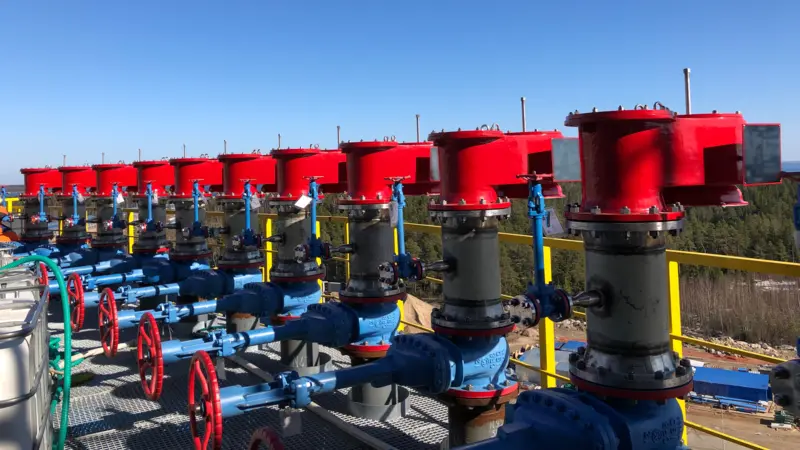
Why Breather Valves Are Used
Pressure Vacuum Relief Valves
Válvula de presión y vacío
A pressure and vacuum relief valve is a pressure equalization valve for impermissible pressure and vacuum in a closed system.
are ventilation devices used on storage tanks and vessels to maintain and compensate pressure and
vacuum
Vacío
Vacuum is the pressure in an enclosed space that is lower than the ambient pressure.
. They release excess pressure, admit air during vacuum conditions, and help reduce
product
Product
Includes equipment, protective systems, devices, components and combinations of these.
losses and vapor emissions by supporting pressure
maintenance
Maintenance
Combination of all technical and administrative actions, including supervision actions, intended to maintain or restore a unit in working order.
close to the maximum allowable
tank pressure
Presión del tanque
Tank pressure is the pressure within a tank.
.
PROTEGO® Pressure Vacuum Relief Valves are used on closed vessels and tanks filled with liquid products where accumulated pressure must be released and vacuum must be compensated. These valves maintain and compensate pressure and vacuum during operating conditions such as loading, unloading, steam cleaning, and blanketing.
This matters because uncontrolled venting can release poisonous, odorous, or flammable vapors and may also represent product loss.
With these Pressure Vacuum Relief Valves the tank pressure is maintained up to set pressure Presión de reacción Set pressure is the gauge pressure at the device inlet at which the relief device is set to start opening under service conditions. with a tightness that is far superior to the conventional standard while still allowing required breathing and relief.
How Pressure Vacuum Relief Valves Work
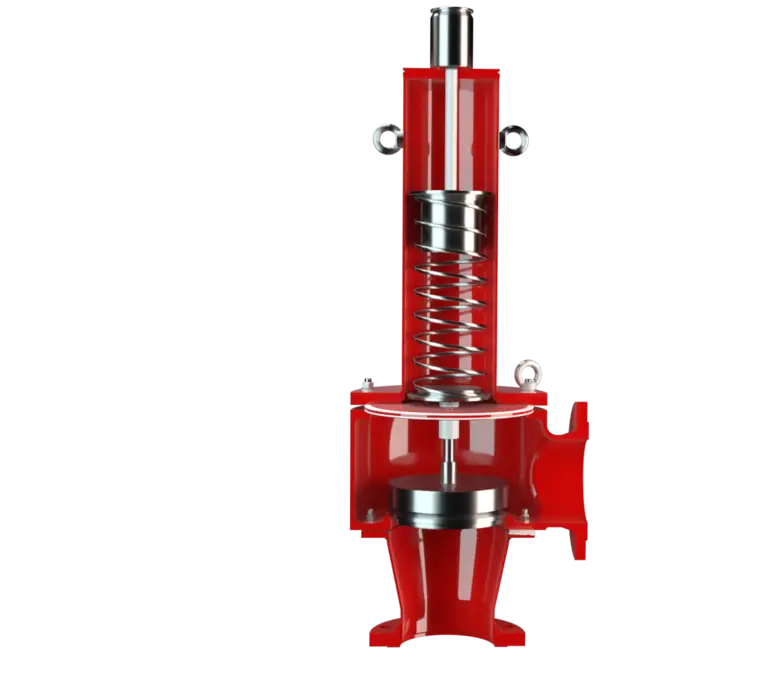
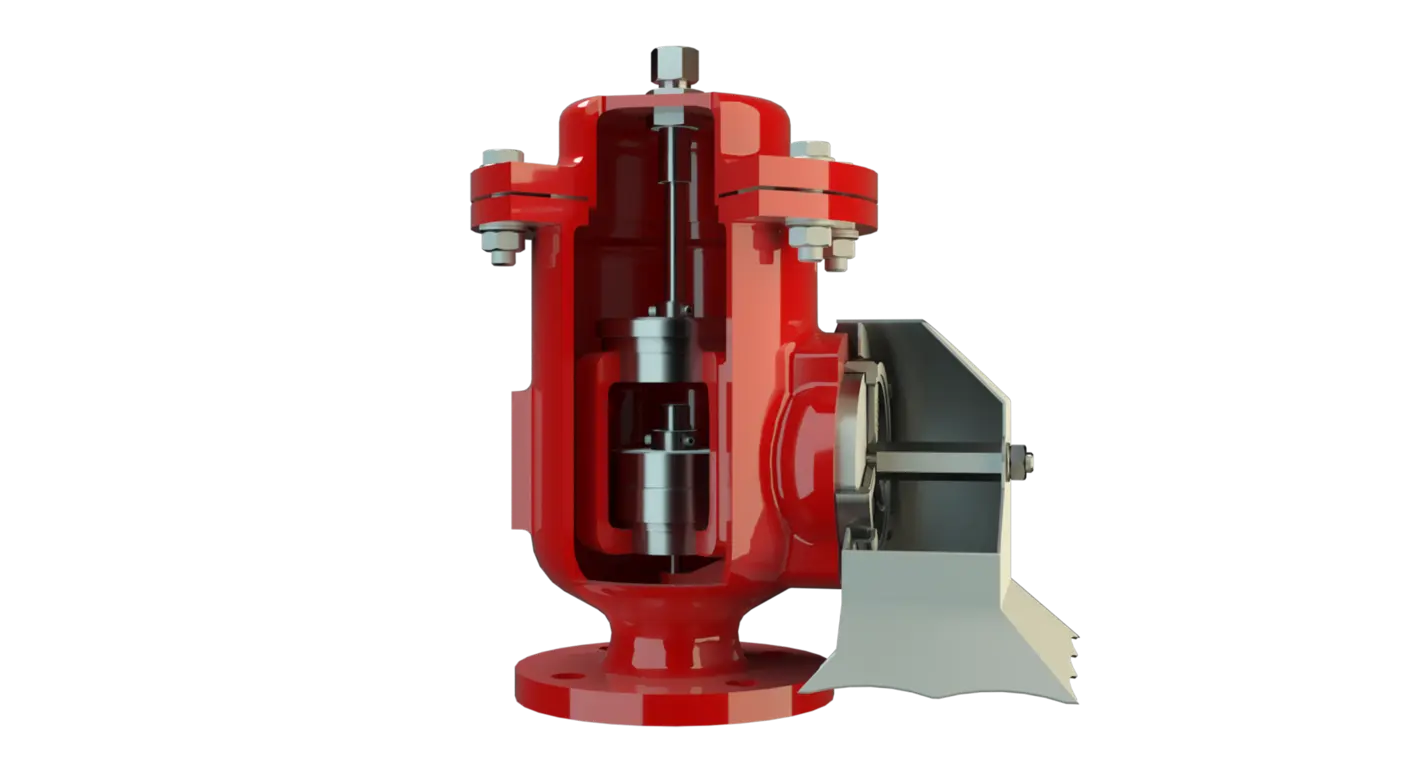
Pressure vacuum relief valves use weight-loaded or spring Amortiguador A spring is a spiral of wire which returns to its original shape after it is pressed or pulled. -loaded valve pallets. When excess pressure develops in the tank, the pressure pallet lifts and releases flow until the tank pressure falls below the set pressure and the valve reseats.
During vacuum conditions, atmospheric overpressure Presión excesiva Overpressure refers to an increase in pressure in a system or vessel above the normal operating pressure. lifts the vacuum disc and vents the tank. This compensates vacuum so the vessel Recipiente Container or structural envelope in which materials are processed, treated or stored. does not implode.
Key operating definitions include set pressure, opening pressure, reseating pressure Presión de cierre Value of the inlet static pressure at which the disc re-establishes contact with the seat or at which the lift becomes zero. , overpressure, accumulation Accumulation Pressure increase over the MAWP of the vessel allowed during discharge through the pressure-relief device. , pressure loss, and back pressure Contrapresión The back pressure is the sum of built-up back pressure and superimposed back pressure. . Set pressure is the pressure at which the valve starts to open, while opening pressure is set pressure plus overpressure. Reseating pressure is the closing pressure at which the valve recloses and seals.
Main Types of Pressure Vacuum Relief Valves
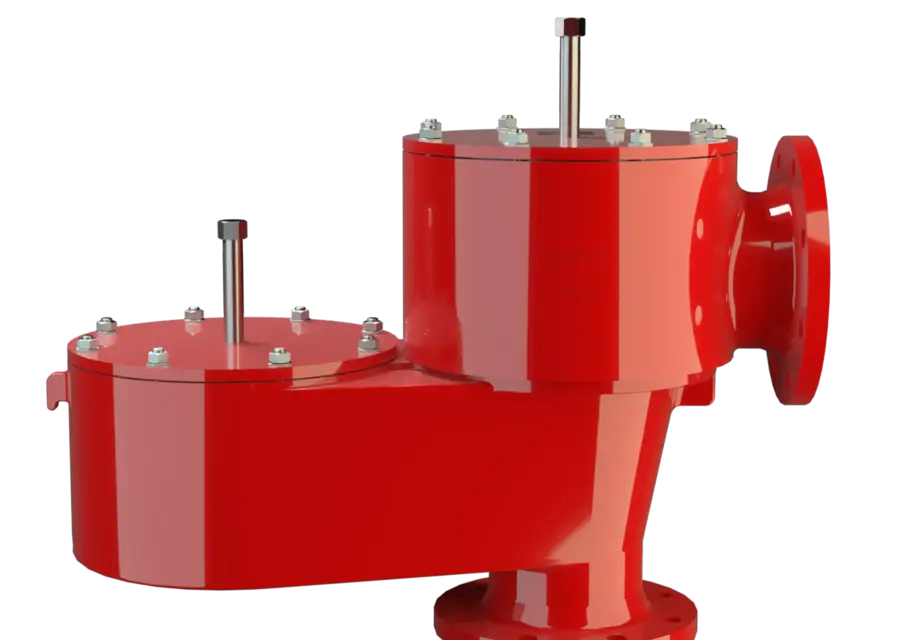
PROTEGO® full-
lift
Carrera
Lift is the actual travel of the valve pallet from the main valve out of the closed position.
pallet valves release flow within 10% overpressure from set pressure to a fully opened valve position. Conventional pallet valves release flow within a 40% pressure range.
Diaphragm valves use a liquid-loaded
diaphragm
Membrana
A diaphragm is a thin layer of material, which has a large surface area.
above the
valve seat
Asiento de válvula
The valve seat is a component on which the valve pallet rests when the valve is closed.
. The static liquid column indicates the set pressure, and the flexible diaphragm adjusts tightly to the metal valve seat. These valves are used in weather-related low temperatures and for sticky or polymerizing substances and are frost-proof down to -40°C (-40°F).
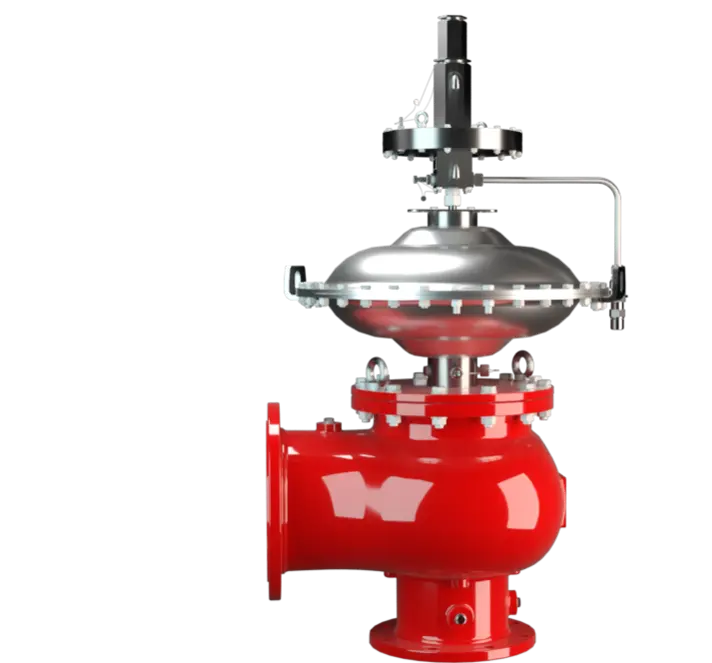
The self-controlled PROTEGO®
Pilot-operated Valve
Pilot-operated valve
Valve controlled by a control device (pilot).
releases the flow without requiring additional overpressure. Up to the set pressure until the pilot reacts, the valve remains sealed. It immediately opens to full-lift after the set pressure is reached without overpressure.
10 % Technology
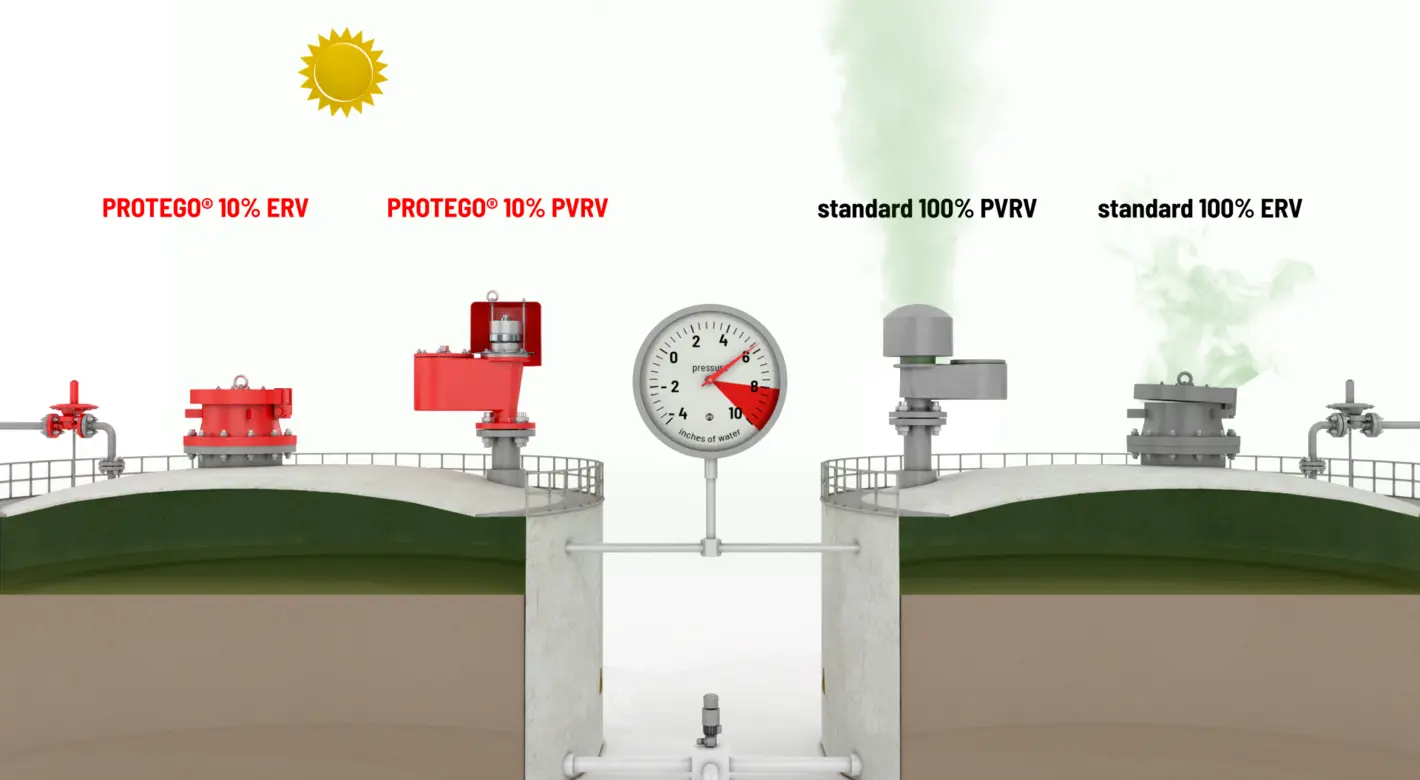
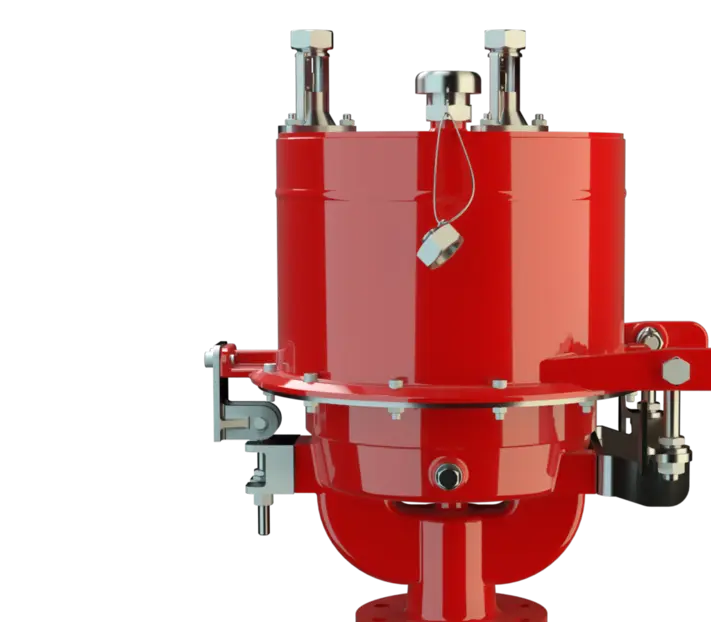
The standard PROTEGO® valve design uses 10% technology . The advantages of 10% technology are pressure conservation close to maximum allowable tank pressure, minimization of product losses, and reduction of vapor emissions.
This technology provides very short opening and closing pressure ranges. The vent only requires 10% overpressure above the set pressure to reach full performance. The tank pressure is maintained up to just below the maximum permissible tank pressure.
Where Pressure Vacuum Relief Valves Are Installed
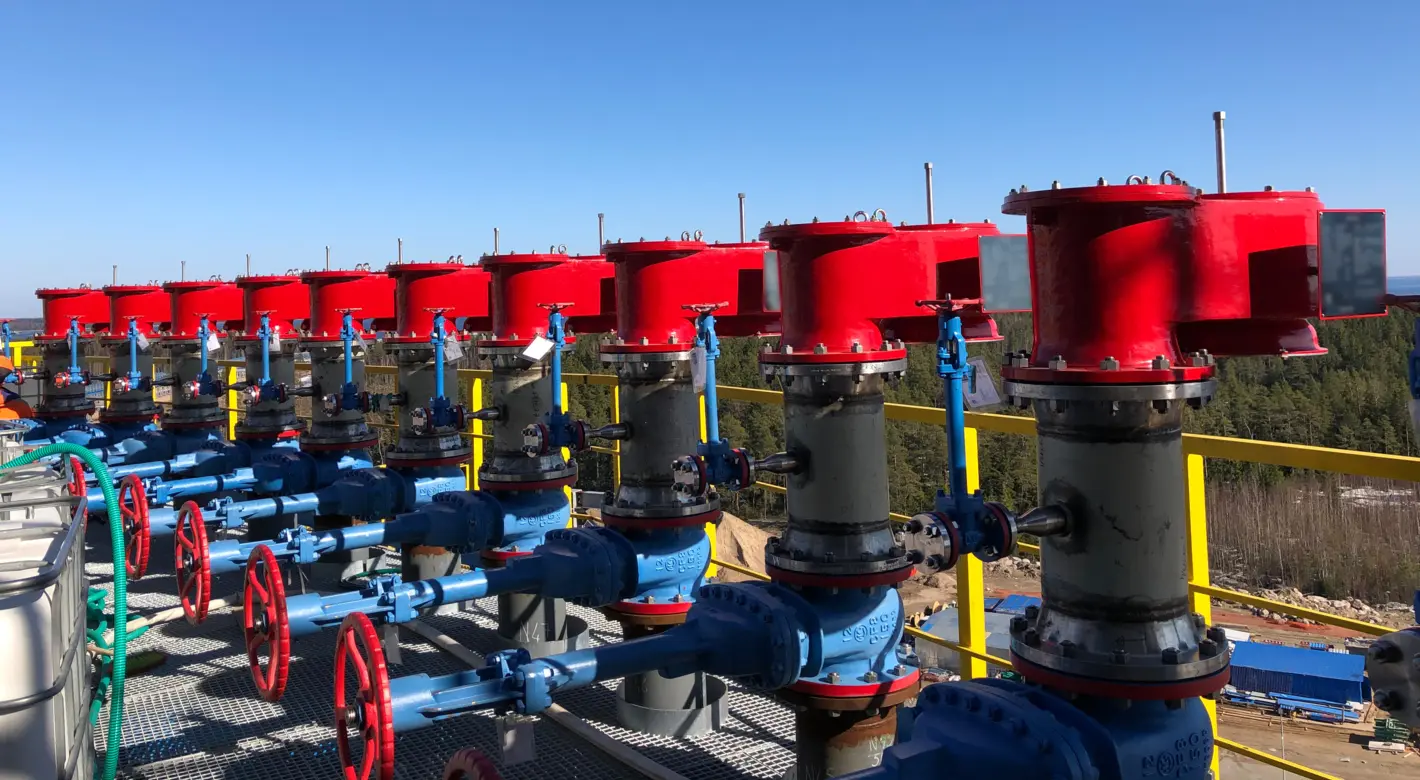
End-of-line valves are mainly used for storage tanks, vessels, or ventilation lines. In piping systems, PROTEGO® in-line valves are used for backflow prevention, overflow valves, and occasionally as control valves.
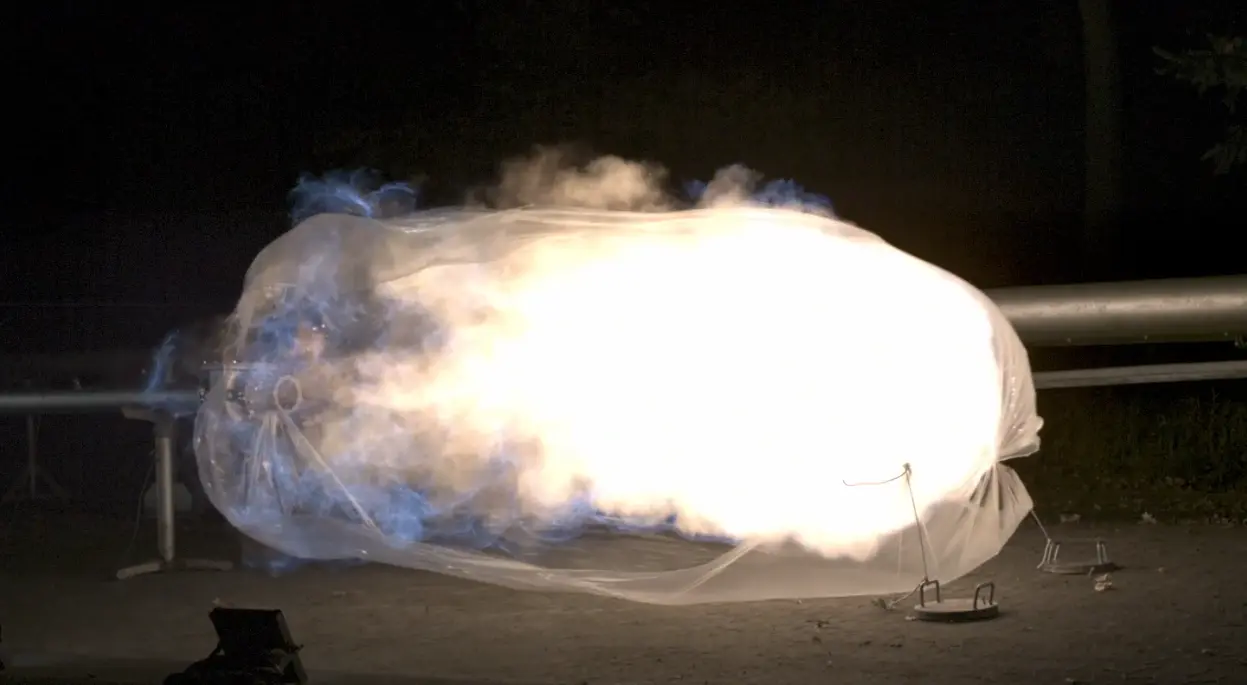
For explosive products, in-line valves must have upstream flame arresters to protect against accelerated combustion. End-of-line valves must also be equipped with end-of-line flame arresters to protect against atmospheric
deflagration
Deflagration
Explosion propagating at subsonic velocity (EN 1127-1:1997).
.
Pressure vacuum relief valves with integrated flame arresters perform the same pressure and vacuum relief tasks as valves without flame arresters. They maintain pressure for vapor conservation or pressure relief and enable tank breathing.
High velocity valves provide flame transmission protection with dynamic discharge between the valve cone and valve seat, starting at a set pressure of +60 mbar. High velocity valves are endurance-burning-proof and are used for flame-transmission-proof pressure and vacuum relief of tank ships.
Sizing and Operating Conditions
Valve sizing must consider maximum volumetric flow, maximum allowable pressures, and operating data. Outdoor tanks are affected by heating and cooling, and venting requirements must also account for filling, emptying, and blanketing gas systems.
The valve is optimally sized when the operating point lies on the performance curve where maximum flow is released with the valve completely open and without additional overpressure. If the design flow is not reached, the valve may not open completely, the pallet may lift briefly, and pressure may fall below set pressure before the valve reseats.
Industry Applications Mentioned
FAQs: Pressure Vacuum
Relief Valves
A pressure vacuum relief valve Válvula de vacío A vacuum relief valve is used to ventilate a part of the system and protects it from impermissible underpressure. maintains and compensates pressure and vacuum in tanks and vessels by releasing excess pressure and admitting air during vacuum conditions.
It releases accumulated pressure before the maximum allowable tank pressure is exceeded and compensates vacuum so the vessel does not implode.
Full-lift pallet valves release flow within 10% overpressure, while conventional pallet valves release flow within a 40% pressure range.
Pressure vacuum relief valves are installed on storage tanks, vessels, vent lines, and piping systems.
These devices are used when protection is required against atmospheric deflagration, accelerated combustion, short-time burning, or endurance burning Endurance burning Stabilized burning for an unlimited time. .
Sizing considers maximum volumetric flow, maximum allowable pressures, operating data, and the required function of the valve as pressure relief, vacuum relief, or combined pressure and vacuum relief.