BE/HR-E-IIB1
Calota de respiro à prova de deflagração e combustão contínua

Características
Função e descrição
Protection Against Atmospheric Deflagration and Endurance Burning
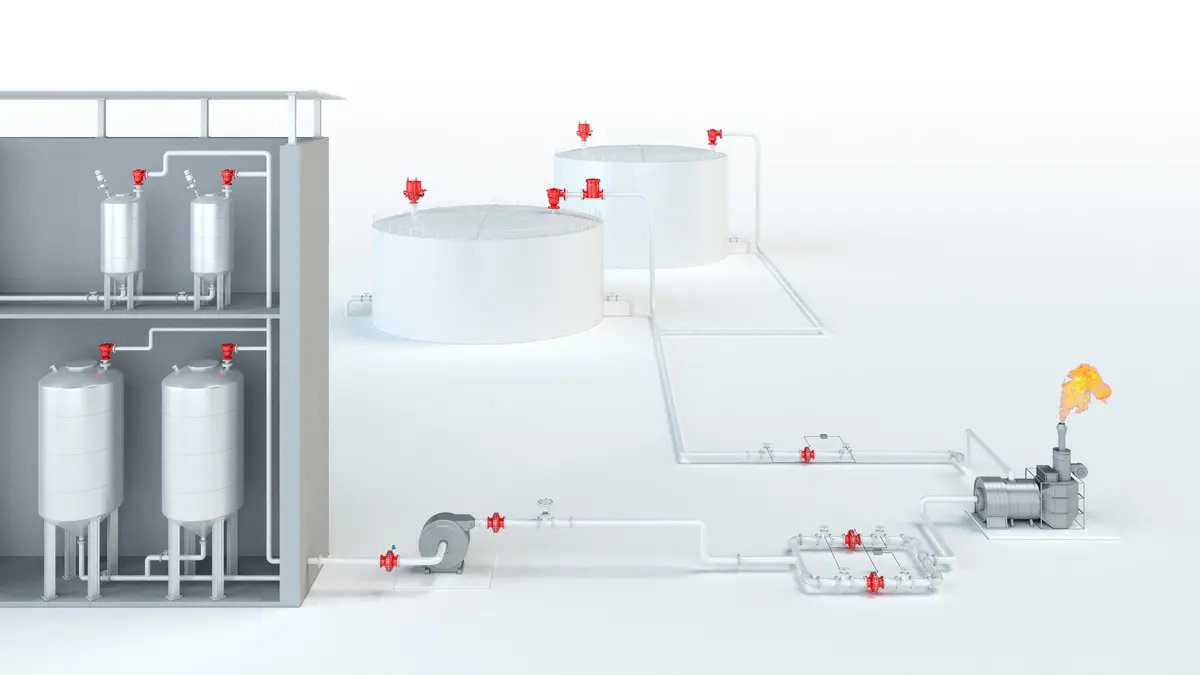
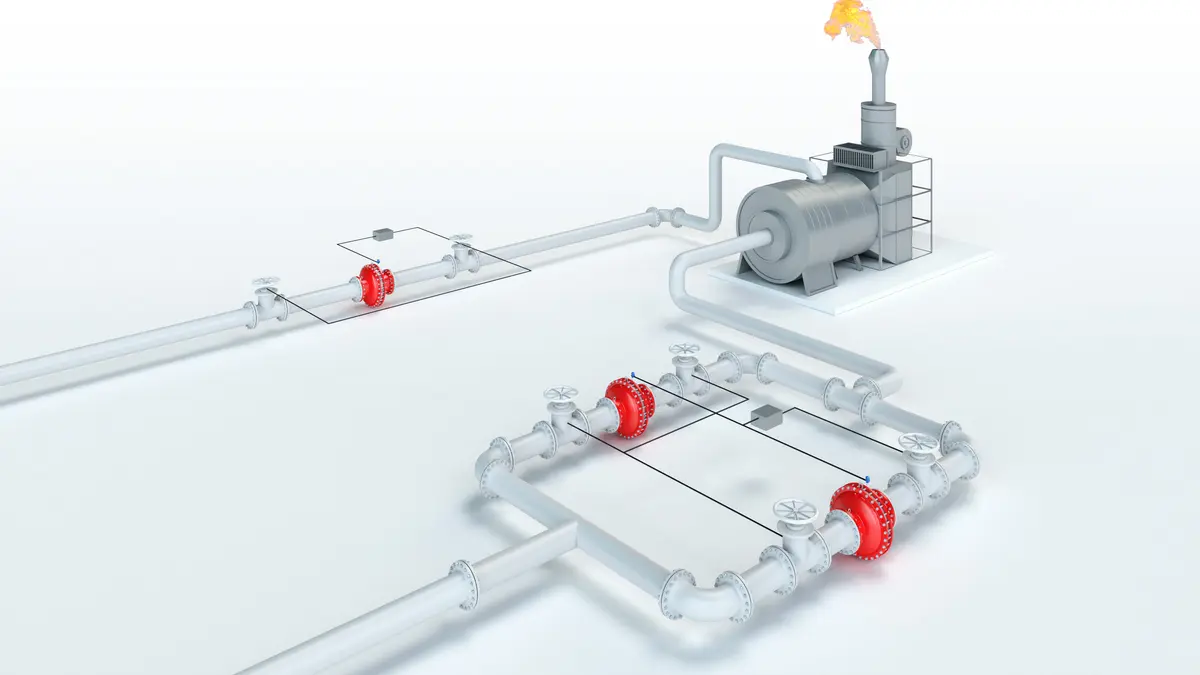
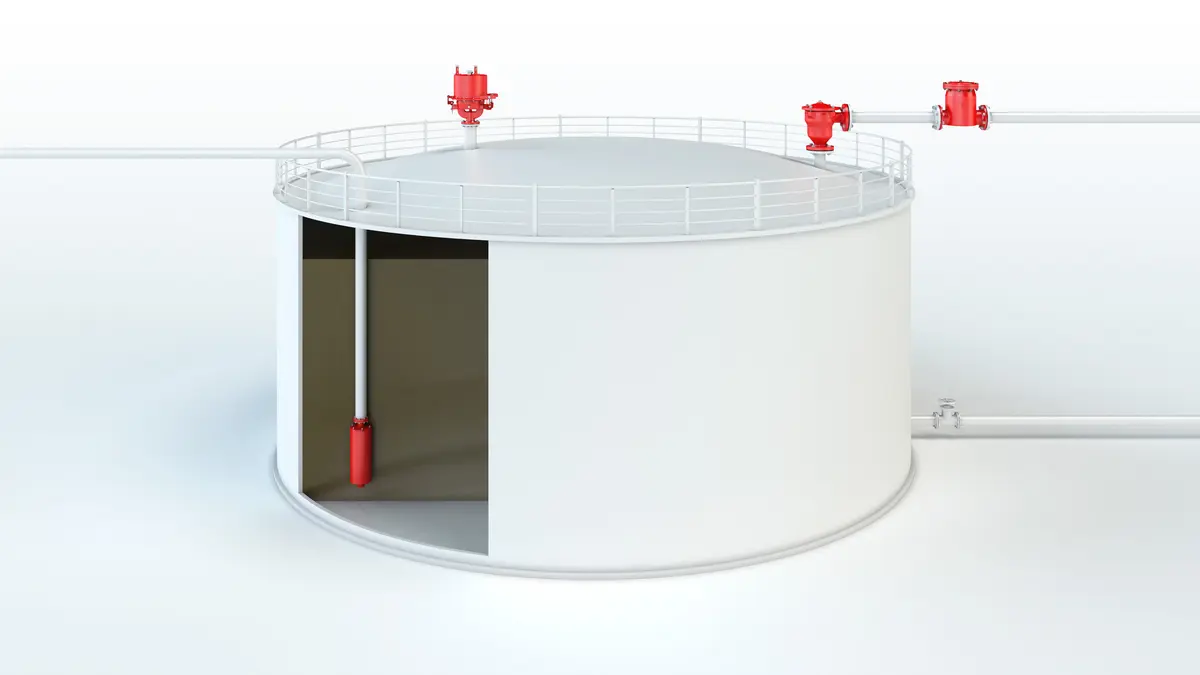
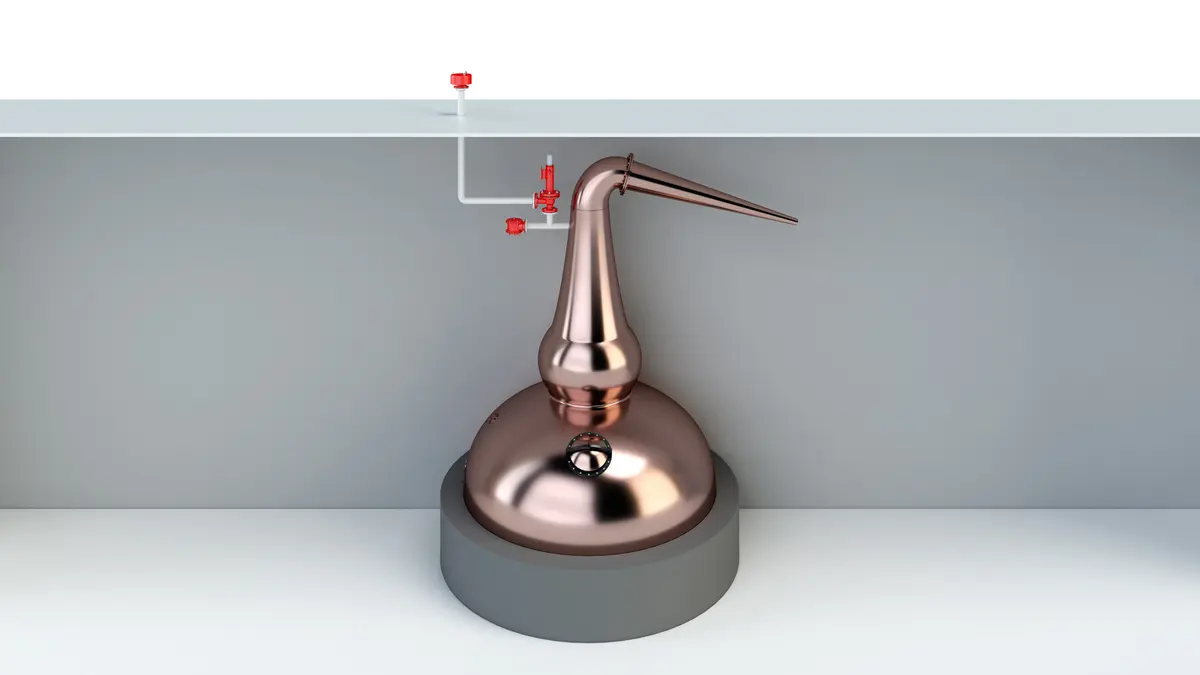
The PROTEGO® BE/HR-E End-of-Line Deflagration Flame Arrester Deflagration flame arrester Flame arrester designed to prevent the transmission of a deflagration. It can be an end-of-line flame arrester or an in-line flame arrester. was specifically developed for vessels which are not pressurized and store Ethanol or other alcohols with a MESG ≥ 0,85 mm. The combustion of alcohol requires a modified Flame Arrester Flame arrester Device fitted to the opening of an enclosure, or to the connecting pipe work of a system of enclosures, and whose intended function is to allow flow but prevent the transmission of a flame. Element design to provide protection against endurance burning Endurance burning Stabilized burning for an unlimited time. . In addition, the device provides protection against atmospheric deflagration Deflagration Explosion propagating at subsonic velocity. . It is typically installed on in-breathing and out-breathing vent lines to prevent flame transmission into the vessel Vessel Container or structural envelope in which materials are processed, treated or stored. or plant caused by endurance burning or atmospheric deflagration.

Main Component – PROTEGO® Flame Arrester Unit
The PROTEGO® BE/HR-E consists of the housing Housing A housing is a solid shell, which surrounds a content, either protecting the content from external influences, or protecting the environment from the content. (1), a weather hood Weather hood A weather hood is a cover to protect the internal components of a device from environmental influences. (2), and the PROTEGO® Flame Arrester Unit PROTEGO® flame arrester unit The PROTEGO® flame arrester unit is the main component of a flame arrester. It prevents flame propagation. (3). During normal operation, the metal weather hood is in a closed position. If a flame burns on the Flame Arrester Element surface, the melting element Melting element The melting element is a component that consists of a housing with a lower and upper part. (5), located in a center position, will melt, and the spring Spring A spring is a spiral of wire which returns to its original shape after it is pressed or pulled. -loaded weather hood will open. The PROTEGO® Flame Arrester Unit consists of two FLAMEFILTER® discs (4) which are installed in a FLAMEFILTER® casing FLAMEFILTER® cage The FLAMEFILTER® cage is a housing for a FLAMEFILTER® set. .

For Explosion Group IIB1
The PROTEGO® BE/HR-E End-of-Line Deflagration Flame Arrester is available for alcohols and other substances with a MESG ≥ 0,85 mm. The standard design can be used for operating temperatures up to +60°C / 140°F. EU conformity according to the currently valid ATEX directive. Approvals according to other national/international regulations on request.
Tabela de dimensões
Para selecionar o diâmetro nominal (DN), veja os diagramas de vazão nas páginas seguintes
| DN | 80 / 3" | 100 / 4" |
| a | 353 | 353 |
| b | 250 | 250 |
Dimensões em mm
Medidas de montagem para a calota de Respiro com camisa de aquecimento sob solicitação
Seleção do material do corpo
| Execução | B | C |
| Corpo | Aço | Aço inoxidável |
| Tampa | Aço | Aço inoxidável |
| Conjunto abafador de chamas | A | A, B |
Materiais especiais sob solicitação
Combinações de material do conjunto abafador de chamas
| Execução | A | B |
| Armação do FLAMEFILTER® | Aço inoxidável | Aço inoxidável |
| FLAMEFILTER® | Aço inoxidável | Hastelloy |
| Espaçador | Aço inoxidável | Hatelloy |
Materiais especiais sob solicitação
Seleção do grupo de explosão
| MESG | Gr. expl. (IEC / CEN) | Grupo gás (NEC) |
| ≥ 0,85 mm | IIB1 | – |
Aprovações especiais sob solicitação
Tipo de conexão flangeada
| EN 1092-1; Form B1 |
| ASME B16.5 CL 150 R.F. |
Outras conexões sob solicitação
Versão e especificação
Estão disponíveis duas versões:Outros dispositivos especiais sob solicitação
Diagrama de vazão
Este diagrama de vazão foi determinado em uma bancada de medição de vazão calibrada e certificada pela TÜV. A vazão V em m³/h se refere ao estado técnico padrão de ar, conforme ISO 6358 (20°C, 1bar). Para conversão em outras densidades e temperaturas, veja o cap. 1: Bases técnicas.